




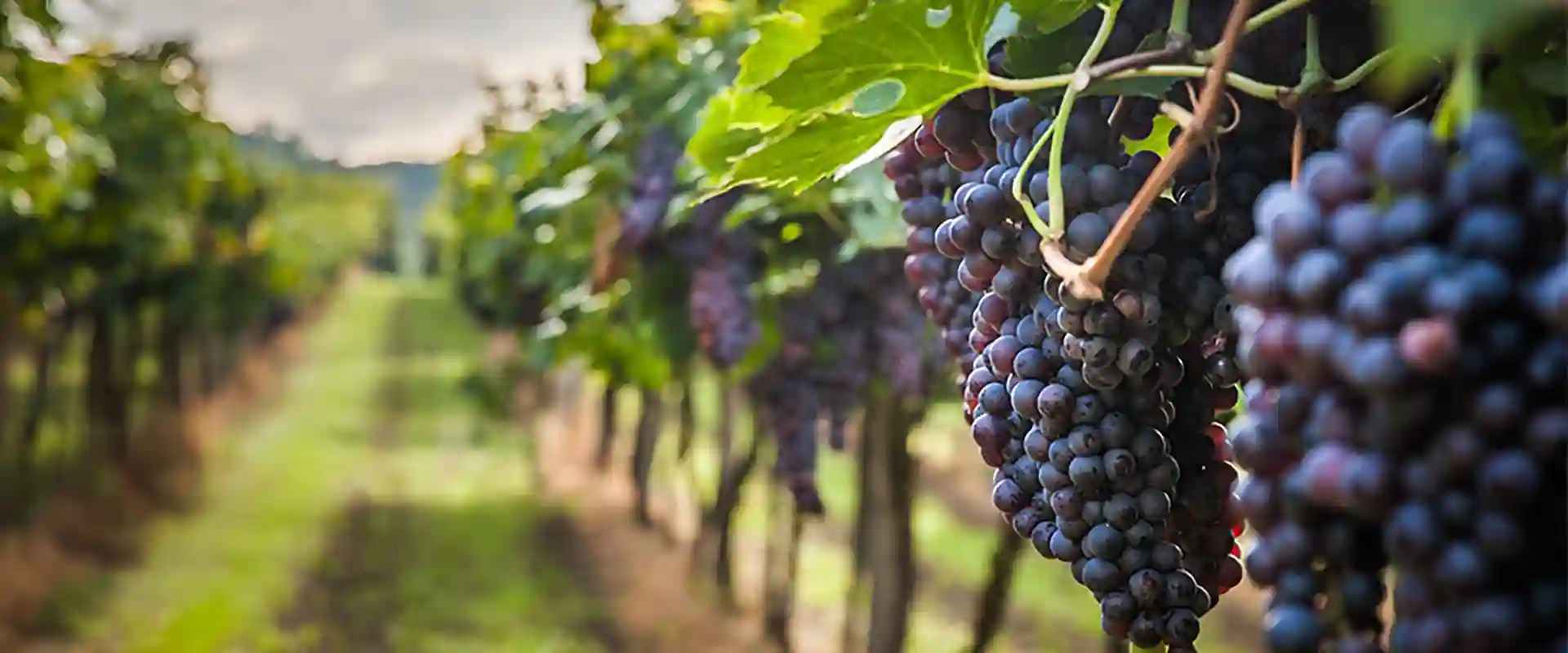
Japanese wineries range from historic producers connected to the beginnings of the country’s modern wine industry to small family businesses, vineyard estates and newer domaines. Their wines reflect different climates, grape varieties, farming conditions and regional traditions across Japan.
This Japanese winery guide explains how the national producer landscape is organized, where important winery areas are located, what types of wineries visitors may encounter and what to confirm before arranging a visit.
The focus here is the wineries themselves and the ways they differ. For a detailed comparison of climate, grapes and geography across the country, begin with the Japanese wine regions guide.
Table of contents
- What Does “Japan Wine” Mean?
- How Japanese Wineries Differ
- Main Winery Regions in Japan
- Representative Japanese Wineries by Region
- What Visiting a Japanese Winery Is Actually Like
- How to Choose Which Wineries to Visit
- Reservations, Language and Visitor Access
- Transportation Between Japanese Wineries
- Independent Visits and Guided Winery Days
What Does “Japan Wine” Mean?
Not every wine bottled or manufactured in Japan qualifies as Japan Wine.
Japan Wine is produced in Japan using grapes harvested entirely within Japan. This distinguishes it from domestically bottled wine that may contain imported wine or imported grape juice.
Consumers can look for 日本ワイン or “Japan Wine” on the label when they want wine made entirely from domestically grown grapes.
Japanese wineries work with several categories of grapes:
- grapes long associated with Japanese agriculture, including Koshu;
- Japanese-bred varieties such as Muscat Bailey A, Black Queen and Kai Noir;
- hybrid grapes suited to particular regional conditions;
- international varieties including Chardonnay, Merlot, Pinot Noir, Cabernet Franc and Sauvignon Blanc.
This range means Japanese wine cannot be reduced to one grape or one delicate style. Producers make dry white, red, rosé, sparkling, sweet, skin-contact and barrel-aged wines, with considerable differences between regions and wineries.
How Japanese Wineries Differ
Japanese wineries vary substantially in age, size, vineyard ownership, production scale and approach to visitors. Understanding these differences is more useful than treating every winery as the same type of attraction.
Historic Wine Producers
Several established wineries trace their roots to the early development of commercial winemaking in Japan. These producers may preserve historic buildings, cellars, equipment, records or vineyard relationships that help explain how the industry developed.
Some have expanded into larger companies with several vineyards or production locations. Others remain closely identified with one town or family.
Family-Run Wineries
Many wineries operate on a smaller scale. At these properties, the same family members or small staff may be responsible for vineyard work, grape purchasing, winemaking, bottling, sales and receiving visitors.
This can create a personal experience, but it also means public access may be limited when agricultural or production work takes priority.
Vineyard Estates and Newer Domaines
A growing number of producers place greater emphasis on estate vineyards, individual sites and small-lot wines. Some were established by people with previous experience in agriculture, restaurants, wine importing or winemaking at other Japanese or overseas wineries.
These producers may release limited quantities and may not maintain a large public tasting room. A respected winery is not automatically an easily accessible tourism facility.
Wineries with Public Visitor Facilities
Some wineries operate museums, shops, restaurants, tasting counters, scheduled tours or larger visitor centres. These properties can be easier for first-time visitors because their public areas and tasting systems are clearly organized.
Public facilities still vary. A shop visit, tasting flight, museum admission and guided production tour are separate experiences and should not be assumed to be included together.
Main Winery Regions in Japan
Yamanashi
Yamanashi is the historical centre of Japanese wine and contains the country’s largest concentration of wineries. Producers are distributed around Katsunuma, Enzan, Makioka, Fuefuki, Kofu, Kai, Hokuto and other parts of the prefecture.
The region includes historic companies, small family wineries, vineyard estates and producers working with both Japanese and international grapes. Koshu is its best-known white variety, while Muscat Bailey A, Merlot, Cabernet Sauvignon, Chardonnay and several Japanese-bred grapes also appear.
For comparisons between individual producers, visitor formats and locations, use the dedicated guide to Yamanashi wineries to visit.
Nagano
Nagano’s wineries are distributed across several separate valleys and highland areas rather than one compact centre. The prefecture’s official wine structure includes Kikyogahara, the Nihon Alps area, Chikumagawa and Tenryugawa, together with newer vineyard districts.
Established wineries coexist with small vineyard estates and newer producers. Merlot has an important place in Nagano, while Chardonnay, Cabernet Franc, Cabernet Sauvignon, Pinot Noir, Sauvignon Blanc and local varieties also appear.
Read the Nagano wine region guide for its valleys, climate, grapes and winemaking development.
Hokkaido
Hokkaido has developed a distinctive cold-climate winery landscape. Important activity is concentrated in several areas, including Yoichi and Niki in Shiribeshi, although wineries and vineyards are also found elsewhere across the island.
Some Hokkaido wineries are established regional producers, while others are small domaines connected closely to individual vineyards. Pinot Noir, Chardonnay, Kerner, Zweigelt and other cold-climate varieties are among the grapes visitors may encounter.
The Hokkaido wine region guide explains its climate, wine areas, principal grapes and modern development.
Yamagata
Yamagata combines longstanding fruit agriculture with historic wineries and newer producers. Its wineries are spread across inland basins and agricultural towns rather than one single visitor district.
Delaware has an important regional history, while Chardonnay, Cabernet Sauvignon, Muscat Bailey A, Merlot, Japanese mountain grapes and Japanese-bred varieties contribute to a diverse range of wines.
For regional history, grapes and current producer development, see the Yamagata wine region guide.
Other Japanese Wine Areas
Wine is also produced in other prefectures under different climates and agricultural conditions. These areas may contain long-established regional producers, fruit wineries, small vineyard projects or wineries working with grapes grown elsewhere.
A nationwide wine journey should therefore be organized by region rather than assuming that every Japanese winery follows the Yamanashi model.
Representative Japanese Wineries by Region
The following examples illustrate the variety of producers operating in four important regions. This is not a ranking, a complete directory or a guarantee that each winery is open to visitors.
| Region | Representative examples | What the group illustrates |
|---|---|---|
| Yamanashi | Château Mercian Katsunuma, Grace Wine, Lumière Winery, Sadoya Winery | Historic producers, premium tasting, production tours and urban cellar experiences |
| Nagano | Goichi Wine, Izutsu Wine, Villa d’Est, Château Mercian Mariko | Established valley producers, vineyard estates and newer wine-tourism facilities |
| Hokkaido | Hokkaido Wine, NIKI Hills Winery, Domaine Takahiko, Niseko Winery | Regional-scale production, vineyard tourism and small cold-climate domaines |
| Yamagata | Takeda Winery, Takahata Winery, Tendo Wine | Historic regional production, larger visitor facilities and fruit-growing connections |
Some highly regarded producers have little or no regular public access. Others operate shops, restaurants, tasting areas or reserved tours. Always investigate the actual visitor format rather than selecting a winery only because its wines are well known.
What Visiting a Japanese Winery Is Actually Like
There is no standard Japanese winery experience. Depending on the producer, a visit may involve:
- a winery shop with no formal tasting;
- a paid tasting flight;
- individual tasting measures purchased by the glass;
- a self-service tasting system;
- a seated guided tasting;
- a museum or historical exhibition;
- a reserved cellar or production tour;
- a restaurant, café or food-pairing experience;
- limited access to vineyards where public entry is permitted.
These features are not universal. A winery may offer tastings without tours, tours without English interpretation or a shop without access to production facilities.
Meeting an owner or winemaker sometimes occurs, particularly at smaller properties, but it depends entirely on staffing and workload. It should never be treated as guaranteed.
How to Choose Which Wineries to Visit
A useful winery day combines different types of experiences instead of repeating several similar tasting rooms.
Possible priorities include:
- History: an established producer, museum or historic cellar;
- Wine style: Koshu, Pinot Noir, Merlot, sparkling wine, Japanese-bred grapes or another focused interest;
- Vineyards: a producer with visible estate vineyards or an organized vineyard experience;
- Production: a reserved visit that may include tanks, barrels or cellar areas;
- Small-winery character: a compact family producer or domaine;
- Accessibility: a winery close to a station or with clearly organized public facilities.
The strongest itinerary normally balances wine interests with geography. A winery may be highly relevant to the group but impractical to combine with other selected producers on the same day.
Reservations, Language and Visitor Access
Visitor arrangements can change because of harvest, production work, staffing, private events, seasonal closures and group size.
Before travelling, confirm:
- the winery’s current opening days and hours;
- whether reservations are required;
- whether the public experience is a shop, tasting or tour;
- whether English information or interpretation is available;
- group-size restrictions;
- the final tasting or admission time;
- whether visitors under 20 are permitted in the public area;
- whether the property accepts large luggage.
People under 20 cannot participate in alcoholic tastings in Japan. Individual wineries may apply additional policies for children, non-drinking visitors or groups.
Transportation Between Japanese Wineries
Japanese wineries are often located in agricultural or residential areas rather than beside major railway stations. Two wineries that appear close on a map may be separated by hills, rivers, limited roads or long walking distances.
Transportation may involve:
- local trains followed by walking;
- scheduled buses with limited frequency;
- taxis arranged in advance;
- a designated non-drinking driver;
- organized local transportation during a guided day.
Driving after drinking is prohibited in Japan. Transportation should be arranged before the first tasting rather than improvised during the day.
Regional transport conditions differ significantly. The practical issues involved in moving around Yamanashi’s main wine country are covered in the Koshu Valley travel guide.
Independent Visits and Guided Winery Days
Independent winery visits can work well when the route contains a small number of accessible producers and every opening time, reservation and transportation connection has been confirmed.
An independent visit is most practical for travelers who:
- want to visit one or two wineries rather than cover a wider area;
- are comfortable arranging reservations directly;
- do not require continuous English interpretation;
- have already confirmed transport between properties;
- are prepared for changes in public access.
A guided winery day is more useful when the group wants several contrasting producers, bilingual communication and transportation coordinated around current opening conditions.
Winery Tours Japan focuses mainly on private winery days in Yamanashi. Guests travel independently from Tokyo and normally meet their guide at Kofu Station. The route is then organized around the date, winery availability, group interests and preferred pace.
The normal private one-day experience includes local transportation during the tour, scheduled tastings, a farm-to-table lunch and a bilingual English–Japanese guide. Winery access and meetings vary according to the producers operating on the selected date.
Complete itinerary, meeting and booking information is available on the private one-day Yamanashi wine tour Page.
Whether travelling independently or with a guide, the most useful approach is to choose Japanese wineries for their differences. Comparing one historic producer, one focused tasting and one smaller vineyard-based winery usually provides a clearer picture of Japanese wine than rushing through several similar stops.