




Yamanashi Wine Region: Why It Became — and Still Is — the Heart of Japanese Wine
Yamanashi is not simply one of Japan’s wine regions. It is where Japanese wine began, where it developed its identity, and where it continues to define itself today. While other regions across Japan are gaining attention and producing increasingly refined wines, Yamanashi remains the foundation that everything else builds upon.
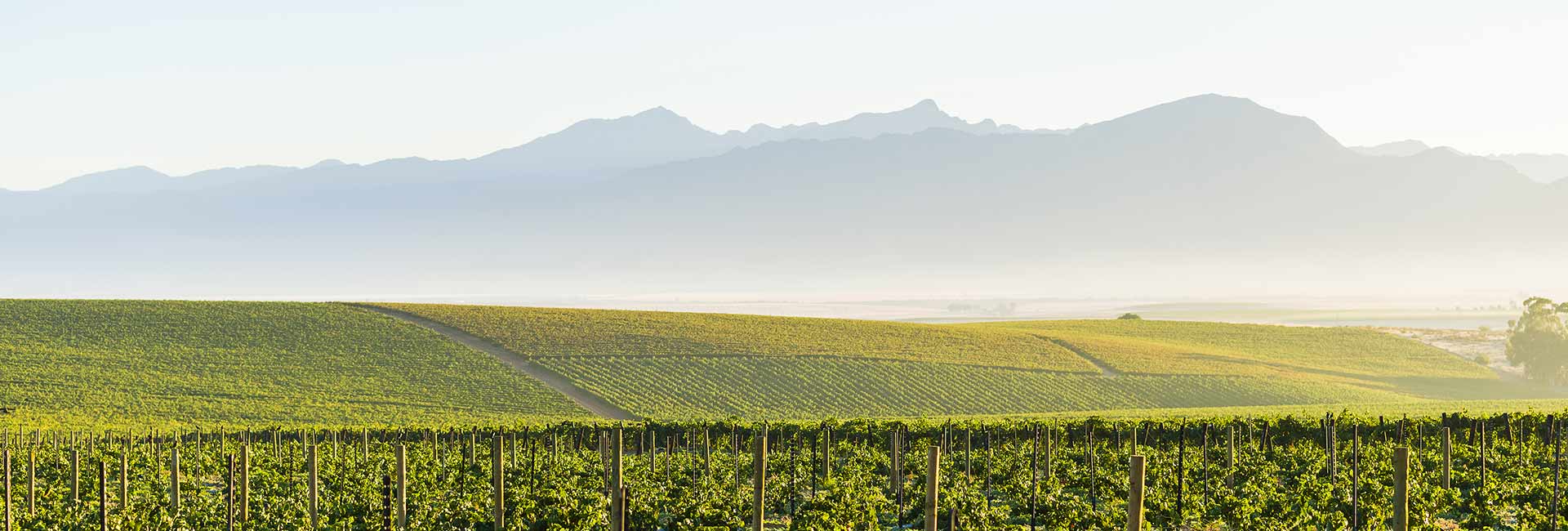
Located about 90 minutes from Tokyo, the region sits within the Kofu Basin, surrounded by mountains that quietly shape one of the most important wine-growing environments in the country. This geography, combined with a long history of grape cultivation and a dense concentration of wineries, explains why Yamanashi produces roughly a third of Japan’s wine and continues to act as the central reference point for understanding Japanese wine as a whole.
For a broader view of how Yamanashi fits into the national picture, see the Japanese Wine Regions guide.
Table of contents
- The Origin of Wine in Japan Begins in Yamanashi
- The Birth of Japan’s Wine Industry
- From Sweetened Wine to Modern Japanese Wine
- Why Yamanashi Works for Wine
- Koshu and the Identity of Japanese Wine
- A Region Structured Around Wine
- From Local Industry to Global Recognition
- A Region Still Evolving
- Experiencing Yamanashi Today
- Yamanashi as the Foundation of Japanese Wine
- FAQ
The Origin of Wine in Japan Begins in Yamanashi
The story of Japanese wine begins with grapes, and that story begins in Yamanashi. Long before wine production took hold, grapes were cultivated in this region primarily as table fruit. Historical records suggest that viticulture in the area dates back close to a thousand years, with Katsunuma widely regarded as the birthplace of grape culture in Japan.
At the center of this history is the Koshu grape. Unlike most varieties introduced later from Europe, Koshu adapted over generations to Japan’s humid climate. It developed thicker skins and looser clusters, traits that made it more resistant to rot and disease. These characteristics were not originally developed for winemaking, but they later proved critical in allowing Yamanashi to succeed where other regions struggled.
This long adaptation period is one of the key reasons Yamanashi became the starting point for Japanese wine. The region already had the right grape in the right environment, even before winemaking itself was fully established.
The Birth of Japan’s Wine Industry
Modern winemaking in Japan began in Yamanashi during the Meiji era, as the country opened to Western influence and began actively modernizing its industries. Because grape cultivation was already established here, Yamanashi became the natural starting point for building a domestic wine industry.
In 1877, Japanese pioneers traveled to France to study winemaking techniques and returned to begin production in Yamanashi. These early efforts marked the beginning of modern Japanese wine, but progress was slow. Wine was unfamiliar to most Japanese consumers, and there was little demand for traditional dry styles.
For decades, production leaned toward sweetened wines designed to match local tastes. While this phase is often overlooked, it played an important role in keeping the industry alive long enough for real improvement to take place later.
From Sweetened Wine to Modern Japanese Wine
The real transformation of Japanese wine began in the mid-20th century. As Japan’s food culture evolved and international influence increased, consumer preferences shifted toward drier, more refined wines. Yamanashi once again became the center of this change.
Producers began improving both vineyard practices and winemaking techniques. Temperature-controlled fermentation helped preserve freshness and aromatics, while better grape selection and vineyard management improved overall quality. Techniques such as sur lie aging added texture and depth, particularly to Koshu wines.
This period marked a turning point. Yamanashi moved away from simple, sweet wines and began producing clean, balanced wines with a clear identity. To understand how this shift also influenced red wine development in Japan, see the Japanese red wine guide.
Why Yamanashi Works for Wine
Yamanashi’s success is not accidental. It is rooted in geography.
The Kofu Basin is surrounded by mountain ranges that create a natural rain shadow effect, reducing rainfall compared to much of Japan. In a country known for humidity and frequent rain, this is a major advantage. It allows grapes to ripen more consistently and reduces disease pressure during the growing season.
The region also benefits from long sunshine hours, which are essential for ripening grapes fully. Its soils, formed from alluvial deposits carried down from surrounding mountains, are well-drained and ideal for viticulture. These conditions are not suitable for rice farming, but they are highly effective for growing grapes.
Humidity still remains a challenge, and this is where Yamanashi’s viticulture becomes distinctive. Traditional pergola training systems raise vines above the ground, improving airflow and reducing the risk of rot. Combined with the natural resilience of Koshu, this allows vineyards to succeed in conditions that would be difficult elsewhere in Japan.
Koshu and the Identity of Japanese Wine
Yamanashi’s identity is inseparable from Koshu. This grape produces wines that are light, subtle, and refined, often showing citrus, mineral, and delicate fruit notes rather than bold aromatics. The style is restrained and balanced, making it particularly well suited to Japanese cuisine.
Koshu was not always capable of producing high-quality wine. Earlier versions were often considered thin or lacking structure. Over time, improvements in both vineyard management and winemaking techniques transformed the grape into something much more expressive and precise.
Alongside Koshu, Muscat Bailey A plays an important role in defining Japanese red wine. Developed in Japan, it produces lighter, fruit-forward reds that differ significantly from European styles. Together, these grapes form the core identity of Japanese wine, and both are most closely associated with Yamanashi.
For a deeper understanding of Koshu and how it developed into a serious wine grape, see the Koshu wine guide.
A Region Structured Around Wine
Yamanashi is not a single uniform area but a network of distinct sub-regions. Katsunuma remains the historic and symbolic center, with a dense concentration of vineyards and many of Japan’s most established wineries.
Fuefuki provides much of the region’s grape production across flatter areas of the basin, supporting both large and small producers. Further north, areas such as Nirasaki and Hokuto are gaining attention for their higher elevation and cooler temperatures, which allow for more precise grape ripening and experimentation with different styles.
Across all of these areas, Yamanashi has more than 70 wineries, representing roughly 30% of Japan’s total. This concentration of production, experience, and infrastructure is one of the main reasons the region continues to lead.
From Local Industry to Global Recognition
Yamanashi has moved beyond being a domestic wine region and is now gaining international recognition. Producers have increasingly focused on exporting wines, particularly Koshu, to markets in Europe and Asia.
To compete internationally, wineries have improved consistency, labeling standards, and overall quality. A major milestone came with the establishment of GI Yamanashi in 2013, which formally defined the region’s identity and ensured production standards.
Today, Yamanashi wines are appearing more frequently in international competitions and global markets, while still maintaining a distinctly Japanese style that sets them apart.
A Region Still Evolving
Despite its long history, Yamanashi is not static. It continues to evolve in response to both internal and external pressures.
Traditionally, many wineries relied on grapes grown by independent farmers, which made consistent quality difficult to control. Over time, more producers have moved toward managing their own vineyards, allowing for greater precision and higher-quality fruit.
At the same time, experimentation continues. European grape varieties such as Merlot, Cabernet Sauvignon, and Chardonnay are being explored, often in higher-elevation areas where conditions are more suitable. This balance between tradition and innovation is part of what keeps Yamanashi relevant.
Experiencing Yamanashi Today
Yamanashi remains one of the most accessible wine regions in Japan, yet it feels distinctly separate from the pace of Tokyo. Vineyards stretch across the basin, and wineries range from long-established producers to smaller, family-run operations.
For those looking to experience the region more directly, a Japan wine tour provides a structured way to explore both the historical and modern sides of Japanese wine while understanding the region in context.
Yamanashi as the Foundation of Japanese Wine
Yamanashi remains the center of gravity for Japanese wine. It is where wine began in Japan, where it struggled and improved, and where it continues to define the country’s wine identity today.
Other regions such as Nagano, Hokkaido, and Yamagata are now producing excellent wines and expanding the national landscape. However, they exist within a framework that Yamanashi helped establish.
Understanding Japanese wine begins here—and continues outward from this foundation.
FAQ
Yamanashi is considered the heart of Japanese wine because it combines historical origin, production scale, and grape identity in one region. It is where modern winemaking began in Japan and still produces a significant portion of the country’s wine. More importantly, it defines how Japanese wine is understood through grapes like Koshu and Muscat Bailey A.
Yamanashi stands out because of its unique basin climate, long history of grape cultivation, and high concentration of wineries. While other regions are growing rapidly, Yamanashi remains the most established and influential. It provides both the historical foundation and the modern structure of Japanese wine.
Koshu wines are typically light, fresh, and subtle, with citrus, mineral, and delicate fruit notes. They are not bold or heavy, which makes them particularly well suited to Japanese cuisine. This restrained style is a defining feature of Japanese wine.
Quality improved through a gradual shift from sweetened wines to dry styles, combined with better vineyard practices and modern winemaking techniques. Advances such as temperature-controlled fermentation and improved grape selection allowed wines to become cleaner, more balanced, and more expressive.
Yes. Although regions like Nagano and Hokkaido are gaining attention, Yamanashi remains the most important due to its history, production volume, and influence. It continues to act as the foundation of the Japanese wine industry.
Yes. Yamanashi is one of the easiest wine regions in Japan to visit, especially in areas like Katsunuma where wineries are located close together. This makes it an ideal starting point for anyone interested in exploring Japanese wine.