




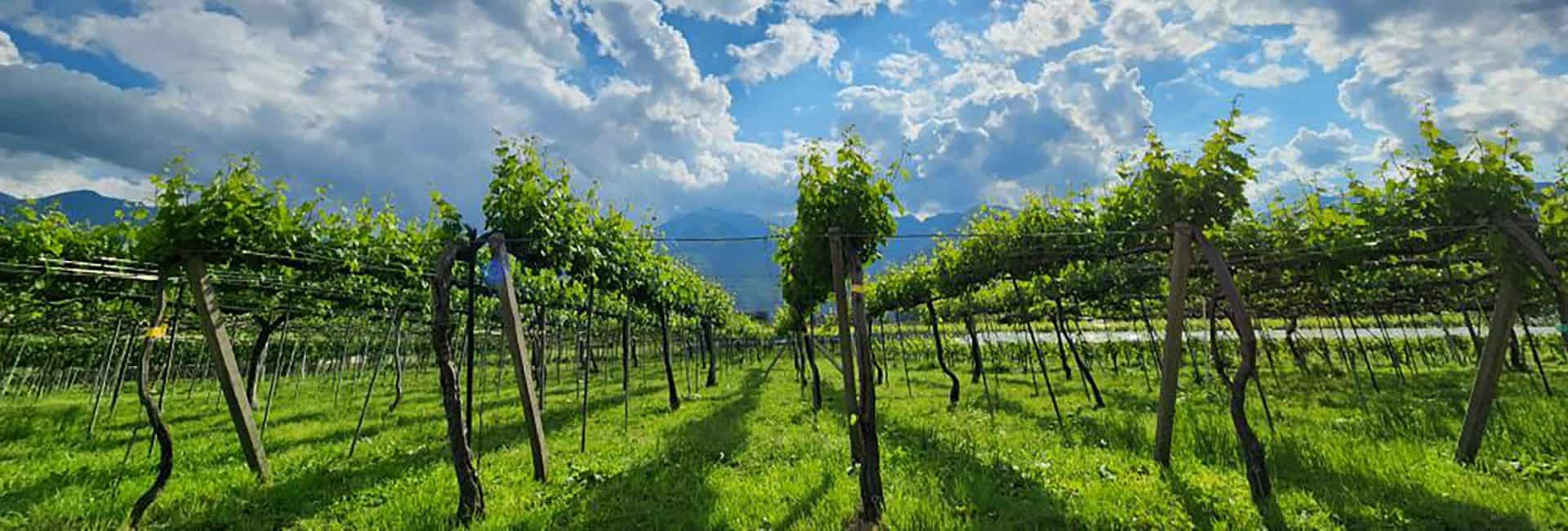
For travelers interested in Japanese wine, the most practical question is not only where the best bottles come from. It is where you can enjoy the strongest full wine experience in a single day from Tokyo. That is why Yamanashi stands out so clearly.
Yamanashi’s Koshu Valley is close enough to Tokyo for a comfortable day trip, but deep enough to feel like a real wine region. In one day, visitors can move from the city into vineyard country, taste wines that are central to Japanese wine identity, enjoy local food, and experience a region that feels far more complete than a single tasting stop or wine bar visit.
For travelers who want a private, relaxed, and locally guided wine day, Winery Tours Japan creates customized Yamanashi wine tours with curated winery visits, a bilingual local guide, and a countryside pace that makes the region easier to understand and enjoy.
Table of contents
- Easy Access from Tokyo Makes Yamanashi Different
- Yamanashi Offers Real Wine-Region Depth
- It Is the Clearest Place to Understand Japanese Wine
- The Mix of Larger and Boutique Wineries Makes the Day Stronger
- Planning a Yamanashi Wine Day from Tokyo?
- Yamanashi Gives Both White and Red Wine Context
- It Feels Like Countryside Japan Without Difficult Planning
- The Role of a Local Bilingual Guide
- A Private Curated Day Makes the Value Clearer
- Yamanashi Also Works for Some Kawaguchiko Travelers
- Why Not Just Visit Wineries Alone?
- Final Thoughts
- FAQs
Easy Access from Tokyo Makes Yamanashi Different
The biggest advantage Yamanashi has over many other wine experiences in Japan is simple: it works extremely well from Tokyo.
A wine destination can be beautiful or respected, but if getting there is complicated, the day becomes less appealing. Yamanashi is different. The region is close enough that travelers can leave Tokyo in the morning, enjoy a full winery experience, and return without the trip feeling rushed or logistically heavy.
From Shinjuku Station, the Limited Express Kaiji or Azusa can bring travelers toward Yamanashi wine country in about 90 minutes, depending on the station and schedule. The train is usually the best choice. It is comfortable, scenic, avoids traffic, and allows guests to enjoy wine tasting without worrying about driving.
That practical access is one of the main reasons Yamanashi is Japan’s best wine region for a day trip from Tokyo.
For a broader planning guide, see Japan Wine Tour from Tokyo.
Yamanashi Offers Real Wine-Region Depth
Yamanashi is not just a place with one or two wineries. It has enough depth to feel like a true wine region.
This matters. A single tasting room can be pleasant, but it does not always help visitors understand a wider wine culture. Yamanashi gives guests a broader picture. The region includes a meaningful concentration of wineries, a long winemaking history, and a mix of established producers, family-run wineries, and smaller boutique producers.
A well-curated day can show different sides of the region:
- Larger wineries with broader tasting frameworks
- Smaller wineries with a more personal atmosphere
- Koshu white wines and Japanese reds side by side
- Traditional styles and newer expressions
- Local food that helps explain why Japanese wine is so food-friendly
This range makes Yamanashi especially strong for first-time visitors. It gives enough variety to make the day educational, but the region is still compact enough to experience comfortably in one day.
It Is the Clearest Place to Understand Japanese Wine
Japan now has wine activity in several regions, but Yamanashi remains the clearest first destination for understanding Japanese wine.
The reason is focus. In one area, visitors can taste Koshu, Japan’s signature white grape, as well as Muscat Bailey A, one of the country’s most important red grapes. Together, these two wines explain much of what makes Japanese wine different from heavier or more familiar Western styles.
Koshu often shows citrus, green apple, pear, mineral, herbal, and delicate savory notes. It is usually light, crisp, and food-friendly.
Muscat Bailey A can be light, fruity, earthy, or gently structured depending on the producer. It gives visitors a softer and more approachable introduction to Japanese red wine.
Yamanashi also produces wines from Chardonnay, Merlot, Cabernet Sauvignon, Delaware, and other varieties, which helps visitors understand both the local identity and the broader development of Japanese winemaking.
For more background on Koshu, see the Koshu wine guide. For red wine styles, see the Japanese red wine guide.
The Mix of Larger and Boutique Wineries Makes the Day Stronger
A better Yamanashi wine day usually includes more than one type of winery.
Larger wineries can help visitors understand regional scale, technical polish, and a wider tasting framework. Smaller boutique or family-run wineries often bring a more intimate feeling and a closer sense of the people behind the wine.
That contrast gives the day more depth.
When a private wine tour includes both larger and smaller wineries, guests can experience more variety in style, atmosphere, history, and tasting format. This is one of the reasons Yamanashi works so well as a day trip. The region is compact enough to make this kind of contrast possible in one day.
Instead of a simple tasting stop, the day becomes a fuller introduction to Japanese wine country.
Planning a Yamanashi Wine Day from Tokyo?
Winery Tours Japan creates private, customized wine tours in Yamanashi’s Koshu Valley with a bilingual local guide, curated winery visits, local food, and a relaxed countryside pace.
Yamanashi Gives Both White and Red Wine Context
Some wine experiences are too narrow. They focus on one grape, one winery, or one style. Yamanashi is stronger because it gives visitors both a signature white wine identity and a meaningful red wine counterpart.
That matters for first-time visitors. A region becomes easier to understand when guests can compare styles in context.
Koshu shows the lighter, fresher, more subtle side of Japanese white wine. Muscat Bailey A shows the softer, more approachable side of Japanese red wine. Tasting both in the same region helps visitors understand why Japanese wine often emphasizes balance, food pairing, and regional character.
This makes Yamanashi more rewarding than simply tasting one bottle of Japanese wine in Tokyo. The wines make more sense when they are experienced in the place where they are produced.
It Feels Like Countryside Japan Without Difficult Planning
A good day trip should feel like a meaningful change from the city. Yamanashi does that very well.
Vineyards, orchards, mountains, quiet roads, and rural scenery all help the region feel different from Tokyo. At the same time, Yamanashi is not so remote that the day becomes difficult to manage.
That balance is important. Many travelers want a real countryside experience, but they do not want complicated transfers, confusing schedules, or a day that feels exhausting. Yamanashi offers a rare combination:
- Easy access from Tokyo
- A strong sense of place
- Real local character
- Enough winery variety to justify the trip
- Comfortable timing for a full-day experience
This is why Yamanashi works so well for travelers who want to see a different side of Japan without building a separate multi-day wine holiday.
The Role of a Local Bilingual Guide
A private guide can make a major difference in Yamanashi. Wine tasting here is often more meaningful when someone can explain the producers, grapes, food culture, and regional context in a way that connects the experience together.
Morey, the guide behind Winery Tours Japan, is bilingual in English and Japanese and locally based in Yamanashi. As a long-time resident, he brings practical local knowledge, winery relationships, and cultural understanding that help guests experience the region more naturally.
That local connection matters. A guide can help explain why Koshu tastes different from many Western white wines, how Muscat Bailey A fits into Japanese red wine, why food pairing is so important here, and how Yamanashi became the center of Japanese wine culture.
A Private Curated Day Makes the Value Clearer
Yamanashi offers excellent value when the day is thoughtfully curated.
That does not mean cheap. It means the experience delivers more than a basic tasting. A strong private wine day can include carefully selected wineries, all tastings, a local lunch, route planning, translation, timing, and context that would be difficult to arrange independently.
This matters because a wine day from Tokyo should feel worth the time. Guests are not only paying for transport or tastings. They are paying for the full experience: the route, the pacing, the local knowledge, the winery selection, the food, and the ease of enjoying the day without guesswork.
That is where a private tour becomes valuable. It turns Yamanashi from a place you visit into a region you can actually understand.
For more detail on the private format, see Private Wine Tours from Tokyo.
Yamanashi Also Works for Some Kawaguchiko Travelers
Tokyo should remain the main starting point for most visitors, but Yamanashi wine country can also work well for travelers already spending time around Kawaguchiko or the wider Mt Fuji area.
For those travelers, a Yamanashi wine day offers a different side of the region. Instead of focusing only on Mt Fuji views or standard sightseeing, visitors can experience wine, local food, rural culture, and a slower countryside atmosphere.
This makes the region useful for travelers who want to add more depth to a Fuji-area itinerary. It is not only a wine day from Tokyo. It can also be part of a broader Yamanashi travel experience.
Why Not Just Visit Wineries Alone?
Some travelers assume they can recreate the experience by choosing one or two wineries and improvising the rest. That can work for a simple tasting, but it often leads to a thinner day.
The issue is not only transport. It is sequence, pacing, winery selection, lunch timing, language support, and understanding what each stop adds to the experience.
A random tasting can be pleasant. A well-curated Yamanashi wine day can be memorable, educational, and complete.
That is the main difference. Yamanashi has the right ingredients, but the day becomes much stronger when those ingredients are arranged carefully.
Guest feedback also shows why the guided format matters. You can read past guest experiences on the Winery Tours Japan reviews page.
Final Thoughts
Yamanashi is Japan’s best wine region for a day trip from Tokyo because so many strengths come together in one place.
It is easy to reach. It has real wine-region depth. It offers both white and red wine identity. It combines larger and boutique wineries well. It feels like countryside Japan without requiring difficult logistics. And when the day is curated properly, it offers excellent value as a private food and wine experience.
For travelers who want Japanese wine to feel practical, rewarding, and connected to place, Yamanashi remains the strongest choice near Tokyo.
To plan a private Yamanashi wine day from Tokyo, visit the Winery Tours Japan contact page and send your preferred date, group size, and wine interests.
FAQs
Yamanashi stands out because it combines easy access from Tokyo with real wine-region depth. In about 90 minutes by limited express train, visitors can reach Koshu Valley, taste Japanese wines where they are produced, enjoy local food, and experience a genuine countryside wine region in one day.
Yamanashi can be reached from Tokyo by limited express train in about 90 minutes, depending on the station and schedule. The train is usually the best choice because it is comfortable, scenic, avoids traffic, and allows guests to enjoy wine tasting without worrying about driving.
Yamanashi offers more than a single tasting stop. It has a strong concentration of wineries, a long winemaking history, signature grapes such as Koshu and Muscat Bailey A, mountain scenery, local food, and easy access from Tokyo.
Yes. Yamanashi is best known for Koshu, Japan’s signature white grape, and Muscat Bailey A, one of Japan’s most important red grapes. Many wineries also produce Chardonnay, Merlot, Cabernet Sauvignon, sparkling wines, and other styles.
They give visitors different kinds of insight. Larger wineries often provide scale, history, and broader tasting frameworks, while boutique wineries can feel more personal and intimate. Experiencing both creates a more balanced and memorable wine day.
Yes. Yamanashi is one of the best places for first-time Japanese wine visitors because it makes the country’s wine culture easier to understand. Guests can taste key grapes, compare styles, and experience a real wine region without traveling far from Tokyo.
A private guided day offers excellent value because it includes more than tastings. With Winery Tours Japan, guests benefit from winery selection, route planning, local context, bilingual guidance, tastings, lunch, and a curated pace that is difficult to arrange independently.
Winery Tours Japan tours are guided by Morey, a bilingual English-Japanese guide based in Yamanashi. His local knowledge and winery relationships help create a smoother, more personal, and more meaningful experience.
Yes. While Tokyo is the main starting point for most visitors, Yamanashi wine country can also work well for travelers already staying around Kawaguchiko or the wider Mt Fuji area. It offers a different side of the region, focused on wine, food, countryside atmosphere, and local culture.
Send an inquiry through the contact page with your preferred date, group size, and wine interests. Winery Tours Japan can then help shape the day around your travel style.