




Which Japanese Wines Should You Try First in Yamanashi? A Beginner-Friendly Guide
If you are curious about Japanese wine but are not sure where to begin, Yamanashi is one of the best places to start. For first-time visitors, the question is often simple: which Japanese wines should you try first in Yamanashi? The answer is not every wine in the region. It is a small, well-chosen range that helps you understand what makes Japanese wine distinctive in the first place.
That is one reason Yamanashi is so useful for beginners. Instead of tasting one random bottle in isolation, visitors can experience several important styles in the region most closely associated with Japanese wine. This makes the learning curve much easier and gives a clearer first impression of how Japanese white and red wines differ from more familiar European or New World styles.
For a broader look at the region itself, our Yamanashi wine guide explains why this area remains the most important wine destination in Japan.
Why Yamanashi is the best place to start
For many people, Japanese wine feels unfamiliar at first. The grape names may be new, the styles may seem more delicate, and the regional differences are not always obvious before tasting them. That is exactly why Yamanashi works so well for a first experience.
The region gives visitors something difficult to find elsewhere: a clear introduction to both Japanese white and red wine in one place. Koshu helps explain the lighter, fresher, and more food-friendly side of Japanese white wine. Muscat Bailey A helps explain the softer, more elegant side of Japanese red wine. Add one or two broader styles, and the overall picture becomes much easier to understand.
That is also where the value becomes clearer. A well-planned tasting day in Yamanashi can help first-time visitors understand Japanese wine much faster than trying to piece the picture together from disconnected bottles or wine bars.
Start with Koshu
If you are wondering which Japanese wines should you try first in Yamanashi, Koshu should usually come first.
Koshu is Japan’s signature white grape and one of the clearest expressions of Japanese wine identity. In most cases, it is light, clean, subtle, and highly food-friendly. It often shows citrus, white peach, gentle floral notes, and a fresh mineral finish. For many visitors, it is the wine that immediately makes Japanese wine feel distinct from heavier international whites.
Koshu is also a good starting point because it introduces the tone of the region. Yamanashi wine is often more about elegance, balance, and harmony with food than power or intensity. Starting with Koshu helps visitors understand that from the beginning.
If you want a deeper look at the grape itself, our supporting article on Koshu wine in Japan explores its taste, style, and wider appeal in more detail.
Try Muscat Bailey A next
After Koshu, the next wine to try is usually Muscat Bailey A.
Muscat Bailey A is the best-known Japanese red wine grape and one of the easiest ways to understand how Japanese red wines often differ from heavier European reds. Instead of firm tannins and dense structure, Muscat Bailey A tends to offer bright fruit, gentler tannins, and a softer, more approachable style. For first-time visitors, it provides an excellent contrast with Koshu while still feeling clearly Japanese in character.
This contrast matters. Koshu shows how Japanese white wine can be elegant and restrained. Muscat Bailey A shows how Japanese red wine can be lighter, food-friendly, and expressive without being heavy. Together, they form the strongest starting point for beginners.
For a broader look at the red side of Japanese wine, our Japanese red wine guide adds more context.
Then try one broader or less expected style
Once you have tried Koshu and Muscat Bailey A, it helps to add one more style to round out the experience.
That third step might be:
- sparkling Koshu
- barrel-aged Koshu
- a more structured Japanese red
- a boutique blend
- an international variety grown in Yamanashi such as Chardonnay or Merlot
This is where the tasting becomes more complete. Instead of only learning two signature grapes, you begin to see how Yamanashi also contains stylistic variety. Some visitors are surprised by how broad the region feels once they move beyond the first two wines.
That is why the best first tasting does not need to be complicated. It just needs the right sequence:
- Koshu
- Muscat Bailey A
- one broader or more distinctive regional style
Why this order works so well
The reason this order works is simple. It gives visitors contrast without confusion.
If you begin with too many wines at once, the experience can feel scattered. If you try only one style, it is harder to understand what makes Japanese wine special. But when you start with Koshu, move to Muscat Bailey A, and then try one additional style, the picture becomes much clearer.
This is another reason the question of which Japanese wines should you try first in Yamanashi is so important. The goal is not only to taste wine. The goal is to understand the region more quickly and more naturally.
That is where a curated tasting day offers excellent value. Guests are not only tasting several wines. They are also learning how those wines relate to each other, which makes the experience more complete and more memorable.
What beginners usually notice first
Most first-time visitors notice three things right away.
First, Japanese wines often feel more restrained than expected. They usually rely less on size and intensity, and more on clarity, freshness, and balance.
Second, the wines tend to work very well with food. This is especially true of Koshu, but it also applies to many lighter Japanese reds.
Third, Yamanashi makes the experience easier because the wines are not scattered across the country. You can understand a lot in one region, and often in one day, if the stops are chosen carefully.
That combination is exactly why Yamanashi works so well for people who are new to Japanese wine.
Why Yamanashi is ideal for first-time wine discovery
Yamanashi is not just the best-known wine region in Japan. It is also one of the easiest to understand as a visitor.
The region offers:
- strong association with Koshu
- access to Japanese red and white wines in one area
- a mix of established and boutique wineries
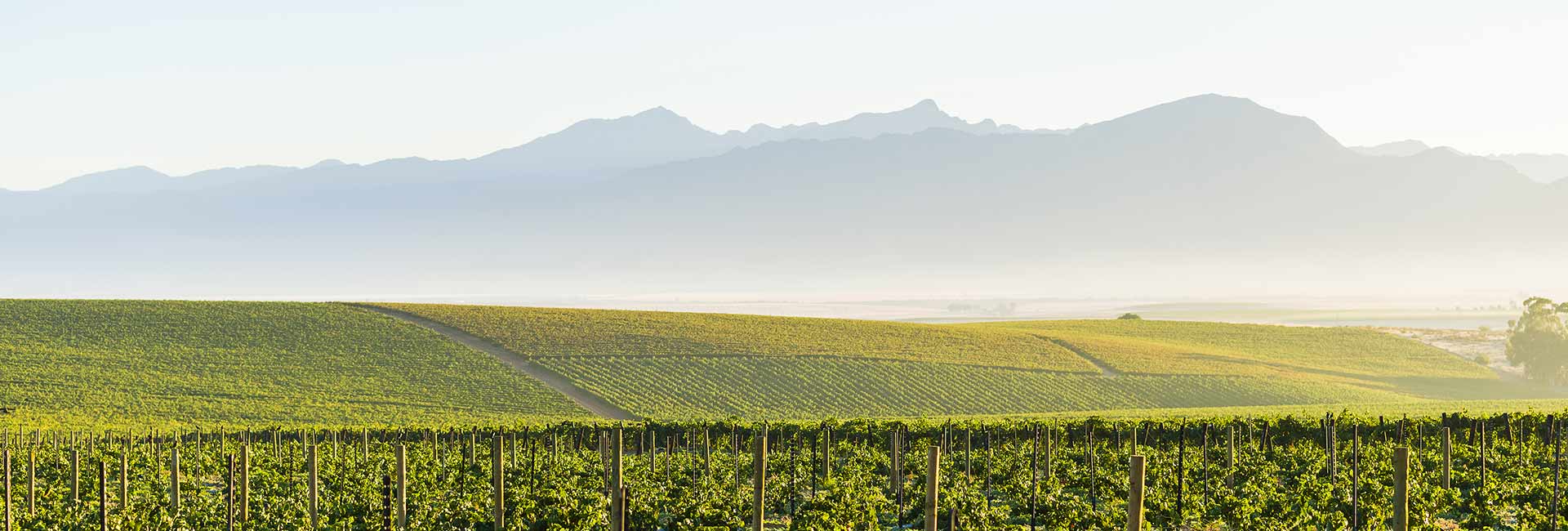
- vineyard scenery and countryside atmosphere
- easy access from Tokyo
For first-time visitors, this means the experience can feel efficient as well as enjoyable. You are not spending all your time trying to figure out where to go or what matters most. A good Yamanashi wine day can bring the key pieces together in a way that feels natural.
That is especially useful now, because travelers often want experiences that feel worth the time, worth the trip, and worth the price. Yamanashi works well in that environment because it offers real regional depth without requiring complicated travel.
Easy from Tokyo, and also useful for travelers coming from Kawaguchiko
Another reason this region works so well for beginners is access.
Yamanashi can be reached easily from Tokyo, which makes it a strong option for visitors who want a countryside wine experience without a complicated itinerary. It can also make sense for travelers who are already spending time in Kawaguchiko and want to add another side of Yamanashi to their trip.
That ease matters more than it might seem. For people new to Japanese wine, part of the appeal is being able to experience several important styles in a region that is both scenic and practical. It turns curiosity into a day that feels manageable, rewarding, and efficient.
What first-time visitors should avoid
Beginners do not need to overcomplicate the experience.
You do not need to memorize every winery, understand every grape before arriving, or chase too many styles in one day. In fact, trying to do too much often makes the region harder to understand.
A better approach is to focus on:
- one signature white
- one signature red
- one additional style for contrast
That gives enough variety to make sense of the region without making the experience feel rushed.
It also reinforces something important: the best first impression of Japanese wine is not about quantity. It is about contrast, pacing, and choosing the right wines in the right order.
Final thoughts
If you are asking which Japanese wines should you try first in Yamanashi, the clearest answer is: start with Koshu, then try Muscat Bailey A, and then add one broader regional style to complete the picture.
That sequence works because it helps first-time visitors understand Japanese wine quickly and naturally. It shows both the white and red sides of the region, highlights Yamanashi’s strengths, and gives a much more useful first impression than tasting only one random wine.
For travelers who want an introduction that feels relaxed, efficient, and genuinely worthwhile, Yamanashi remains one of the best places in Japan to begin.
FAQs
The best starting point is usually Koshu first, followed by Muscat Bailey A, then one broader regional style such as sparkling Koshu, barrel-aged Koshu, or a boutique blend. This sequence gives you both white and red context and makes the regional character of Yamanashi easier to understand. It is one of the simplest ways for beginners to get a fuller first impression of Japanese wine.
Koshu is Japan’s signature white grape and one of the clearest introductions to Japanese wine. It is typically light, fresh, elegant, and very food-friendly, which makes it easy to appreciate even for visitors who are new to the region. Starting with Koshu also helps people understand the restrained, balanced style that Yamanashi is known for.
Muscat Bailey A gives beginners a strong contrast with Koshu while still keeping the tasting clearly rooted in Japanese wine. It is usually softer, fruitier, and lighter than many European reds, which makes it accessible for first-time tasters. Trying it after Koshu helps visitors understand both the white and red sides of Yamanashi much more quickly.
Yes. Yamanashi is one of the best places in Japan for first-time wine tasting because it combines strong regional identity, important signature grapes, and a good mix of wineries in a relatively compact area. It allows visitors to understand Japanese wine in a more complete and efficient way than tasting random bottles elsewhere.
No. Yamanashi actually works very well for beginners because the key wines are approachable and the regional story is easy to grasp once you try a few well-chosen styles. You do not need expert knowledge to enjoy the experience. A good tasting order matters more than prior technical knowledge.
Yamanashi is especially famous for Koshu, its signature white grape, but the region also has important red wines, especially Muscat Bailey A and other local expressions. That balance is one reason the area works so well for first-time visitors. You can understand both white and red wine styles in one regional setting.
It offers excellent value because you are not just sampling different wines. You are also learning how the wines relate to each other and how Yamanashi’s regional identity becomes clearer through contrast. For beginners, that makes the day feel more complete, more educational, and more rewarding than tasting only one style in isolation.
Yes. Yamanashi is one of the easiest wine regions in Japan to visit from Tokyo, which makes it ideal for travelers who want a countryside wine experience without complicated travel planning. That easy access is part of what makes it such a practical and appealing place to begin exploring Japanese wine.
The easiest way is to visit a few well-chosen wineries in Katsunuma and Enzan and compare styles side by side. For first-time visitors, a private guided experience with Winery Tours Japan can make that much easier by helping you understand Koshu, Muscat Bailey A, and other regional wines in a relaxed and efficient way.