




Nagano Wine Region Japan: Climate, Grapes, Valleys, and How It Differs From Yamanashi
When people begin learning about Japanese wine, most roads lead first to Yamanashi. That remains the natural starting point. Yamanashi is the historic foundation of modern Japanese wine, the home of Koshu, and still the country’s clearest center of gravity. But once that foundation is understood, the next region that matters most is Nagano.
Nagano is Japan’s strongest number-two wine region. It does not replace Yamanashi, and it should not be treated as a rival in a simplistic sense. What makes it important is that it expands the picture. If Yamanashi helps explain where Japanese wine began and why it became nationally important, Nagano wine region Japan helps explain how Japanese wine developed in a cooler, higher, more fragmented mountain environment with a stronger emphasis on European varieties.
That difference matters. Nagano is not one single compact wine zone. It is a broader, multi-valley region shaped by altitude, inland basins, rain-shadow conditions, and varied soils. Its wine identity comes less from one dominant native grape and more from the way place, elevation, and technical adaptation interact across several distinct subregions. That is why Nagano is so useful to study after Japan’s major wine regions. It shows a different side of Japanese wine: one built around freshness, structure, and site-sensitive expressions of grapes like Merlot, Chardonnay, and Sauvignon Blanc.
For readers trying to understand the bigger picture, Nagano is the most important regional complement to Yamanashi. And for readers interested in how Japanese wine continues to evolve, it may be the country’s most revealing region after the historic core.
Table of contents
- Why Nagano matters in Japanese wine
- Why Nagano is Japan’s strongest number-two region
- Geography and climate: why Nagano tastes different
- Nagano’s major wine valleys
- Kikyogahara: Nagano’s Merlot heartland
- Chikumagawa: Nagano’s modern growth engine
- Other important Nagano valleys
- The grapes that define Nagano
- Viticulture and regional technique
- Nagano vs Yamanashi
- Why Nagano matters more each year
- Conclusion
- FAQ
Why Nagano matters in Japanese wine
Nagano matters because it gives Japanese wine a second major reference point. Without Yamanashi, the national story feels incomplete. Without Nagano, it feels too narrow.
Yamanashi explains the historical base: long grape cultivation, concentration of wineries, Koshu’s role in Japanese wine identity, and the deep roots of winemaking in and around the Kofu Basin. Nagano explains something else: how a Japanese wine region can succeed under cooler conditions, at higher average elevations, across several separated valleys, and with a stronger focus on vinifera varieties that many international drinkers already recognize.
That makes Nagano especially important for perspective. It broadens the conversation from one dominant region to a more complex national map, but it does so without weakening Yamanashi’s primary role. In that sense, Nagano is not just another regional example. It is the clearest second chapter in the Japanese wine story.
Readers who already know why Yamanashi remains the foundation of Japanese wine usually find Nagano the most natural next step. The contrast is sharp enough to be useful, but close enough to be meaningful.
Why Nagano is Japan’s strongest number-two region
Nagano has earned that position through a combination of geography, regional depth, grape quality, and modern momentum.
It is not simply a cooler extension of Yamanashi. It has its own internal structure. Nagano includes several wine valleys rather than one dominant basin, and those valleys do not all develop in the same way or around the same grape priorities. Kikyogahara built a serious reputation for Merlot and older grower-based production systems. Chikumagawa developed more recently as a dynamic zone for European varieties, especially white wines. Other valleys add further range, including higher and cooler sites that extend the region’s long-term potential.
That internal diversity is one reason Nagano feels more layered than many casual summaries suggest. Another reason is that the region’s growth has not depended only on one old model. It includes legacy producers, contract-farmer systems, experimental vineyard development, custom-crush support, new entrants, and a newer generation of smaller wineries and growers working at different scales.
In other words, Nagano is strong not just because it makes good wine, but because it shows multiple ways a Japanese wine region can develop.
Geography and climate: why Nagano tastes different
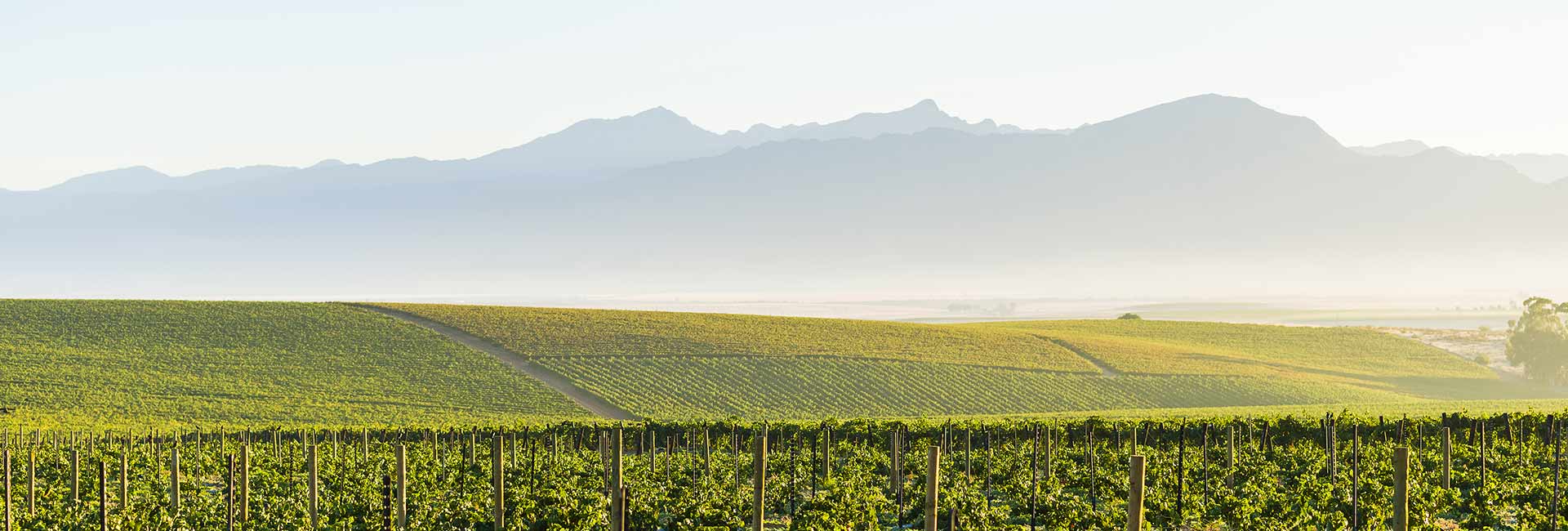
Nagano’s wine identity begins with topography. It is a mountainous inland prefecture surrounded and shaped by major ranges, with vineyards spread through basins, slopes, terraces, and valley systems rather than concentrated in one simple block of land.
That has several consequences.
First, many Nagano vineyards sit at higher average elevations than vineyards in Yamanashi. That affects temperature, ripening patterns, and day-night variation. Cooler nights and broader diurnal shifts can help preserve freshness and definition while still allowing fruit to ripen in sheltered sites.
Second, Nagano benefits from rain-shadow effects in several important areas. Although Japanese viticulture often has to contend with humidity and rain pressure, parts of Nagano are relatively dry by Japanese standards. That makes site choice especially important. Where rainfall is lower and airflow is better, growers can work with varieties that might struggle more in heavier, wetter, or less ventilated conditions.
Third, Nagano is not defined by one uniform soil profile. Some areas are marked by clay-heavy soils shaped by volcanic ash, while others include gravelly sections or mixed alluvial zones. These differences matter because Nagano’s subregional story is partly a soil story and partly a climate story. Its wines often feel more site-driven than broad regional summaries admit.
This is one of the reasons Nagano’s best wines can feel especially precise. The region’s strength is not only that it is cooler. It is that elevation, basin structure, drainage, airflow, and soil variation combine to create multiple distinct growing environments within one prefecture.
Nagano’s major wine valleys
One of the biggest mistakes in writing about Nagano wine region Japan is treating it as a single wine zone. It is better understood as a network of valleys and subregions.
The most important frame includes Kikyogahara, Chikumagawa, Nihon Alps, Yatsugatake, and Tenryugawa. These are not all equal in current national importance, but together they explain why Nagano feels broader and more internally varied than many other Japanese wine regions.
Kikyogahara is the older and more established reference point for serious red wine in Nagano, especially Merlot. Chikumagawa is the most important valley for understanding modern Nagano, particularly its newer wineries, white-wine strength, and broader wave of growth. Nihon Alps and Yatsugatake help show the role of higher and cooler mountain environments. Tenryugawa adds another dimension again, especially where hybrid or less conventional grape histories remain part of the regional mix.
For a national audience, Kikyogahara and Chikumagawa are the two valleys that matter most to the Nagano story. Together they explain much of the region’s balance between legacy and innovation.
Kikyogahara: Nagano’s Merlot heartland
If one grape most clearly helped define Nagano’s reputation, it is Merlot, and if one place most clearly explains that reputation, it is Kikyogahara.
Located around Shiojiri in the southern part of central Nagano, Kikyogahara developed under conditions that made it unusually suitable for serious red wine by Japanese standards. Its basin setting, relatively modest rainfall, long sunshine hours, broad day-night temperature shifts, and elevated plateau environment helped establish a strong case for Merlot in Japan. Over time, Kikyogahara Merlot became one of the clearest proofs that a European red variety could achieve real quality in Japanese conditions.
That did not happen instantly. The region’s wine history included earlier reliance on American varieties and sweetened wine styles, and the shift toward serious vinifera production required adaptation, experimentation, and patience. Merlot did not simply appear and succeed without friction. Disease pressure, training choices, grower practices, and consumer transition all played a role.
Part of what makes Kikyogahara important is that it preserves an older Nagano model. Grower networks remained central. Large wineries often depended heavily on farmer-supplied grapes. Pergola systems continued to matter, even for grapes that international readers might assume would always be grown under vertical shoot positioning. The result is a region where Merlot is not just a grape variety but part of a broader agricultural and social structure.
That gives Kikyogahara a different feel from newer parts of Nagano. It is not simply “better” because it is older. It is important because it represents the historical backbone of Nagano quality wine, especially on the red side.
Chikumagawa: Nagano’s modern growth engine
If Kikyogahara explains Nagano’s older prestige, Chikumagawa explains its modern momentum.
Chikumagawa is central to the contemporary image of Nagano as a region of expansion, experimentation, and broader stylistic possibility. It stretches across multiple districts and has become especially important for European varieties, newer entrants, custom-crush infrastructure, and small-to-medium-scale winery development. In many ways, it is the valley that best expresses how Nagano has evolved in recent decades.
One of Chikumagawa’s strongest claims is white wine. Chardonnay has become one of the valley’s clearest signatures, and Sauvignon Blanc has also shown strong promise. These grapes fit the broader Nagano pattern of cooler-climate freshness, but Chikumagawa adds another layer: a modern, technically aware, often site-conscious approach that has helped the valley build a reputation beyond simple imitation of European models.
Chikumagawa also shows why Nagano cannot be reduced to one grape or one old production logic. Newcomers have been drawn into the region not only by the quality potential of the sites, but also by local support systems, training pathways, and custom-crush opportunities that lower the barrier to entry. This has helped make the valley one of the most dynamic parts of Japanese wine.
Even when production volume remains modest compared with older centers, Chikumagawa matters because it changes the national conversation. It has helped prove that Japanese wine can develop through networks of smaller producers, specialized vineyard work, and focused subregional identities rather than only through large legacy structures.
Other important Nagano valleys
Although Kikyogahara and Chikumagawa carry the most weight in a support article like this, the wider Nagano picture matters.
The Nihon Alps area adds another mountain-influenced dimension, with vineyard development across alluvial fans and well-drained sites. It helps show how Nagano’s internal geography keeps opening new possibilities.
Yatsugatake is notable for cooler-climate potential and for showing how Nagano overlaps, geographically and climatically, with broader highland viticulture patterns that differ from the Kofu Basin model more typical of Yamanashi. It strengthens the argument that Nagano is not just one valley with a few satellites, but a region whose altitude and landscape genuinely matter.
Tenryugawa, further south, adds yet another expression. It does not occupy the same national role as Kikyogahara or Chikumagawa, but it reminds readers that Nagano’s wine identity still includes mixed histories, hybrid grapes, and regional variation beyond the most celebrated zones.
This is exactly why Nagano is so useful in the pillar structure. It is not a one-note region. It is a networked mountain prefecture whose wine story is still developing.
The grapes that define Nagano
Nagano’s cleanest grape anchors are Merlot and Chardonnay.
Merlot is the historical prestige grape of Nagano, especially in Kikyogahara. It helped establish the region’s credibility and still remains one of the strongest ways to understand Nagano red wine. In the best settings, Nagano Merlot can show structure, balance, and clarity rather than simple weight. That matters because Japanese red wine is often discussed too generally. Nagano gives Merlot a regional identity strong enough to stand on its own.
Chardonnay is the white grape most strongly associated with modern Nagano quality, especially in Chikumagawa and the Hokushin area. It has become one of the region’s best vehicles for showing how Nagano’s elevations, soils, and cooler conditions can translate into distinct white wines with freshness and shape.
Sauvignon Blanc is also important, especially as part of Chikumagawa’s white-wine profile. It may not define Nagano in the same broad public way that Merlot and Chardonnay do, but it is relevant enough that the region’s white identity should not be reduced to Chardonnay alone.
Cabernet Sauvignon exists in Nagano, but it is more site-dependent and less reliable as a broad regional signature. Certain sites can succeed with it, but it should not be treated as a prefecture-wide flagship in the same way as Merlot or Chardonnay.
Nagano also retains part of an older grape story. American and hybrid grapes have not disappeared entirely from the region’s identity, and in some places they remain part of the agricultural and commercial picture. That matters because it keeps Nagano grounded in the realities of Japanese viticultural history rather than turning it into a falsely simplified “European-only” narrative.
Viticulture and regional technique
One of the most interesting things about Nagano is that its vineyard story is also a technique story.
Training systems matter here. In older Kikyogahara, pergola tradition remained strong, even as European varieties gained prestige. In newer or more technically reform-minded parts of Nagano, vertical training became more common, especially for varieties where growers wanted more concentration, lower yields, or a more explicitly European cultivation logic.
Neither system should be treated too simplistically. Pergola can offer labour advantages, humidity management benefits, and continuity with local farming practice. Vertical systems can support different fruit concentration and canopy-control goals. Nagano’s real story is not “old bad, new good.” It is that the region has lived with both systems and adapted them according to site, grape, labour structure, and historical habit.
Yield control also matters. So does the management of autumn rain risk. Technical responses such as rain-cut methods became part of Nagano’s modern development, especially where growers aimed to adapt European grape growing to Japanese conditions rather than merely copy overseas methods.
Another important feature is the relationship between wineries and growers. In some parts of Nagano, farmer–winery cooperation remains central, with grape pricing and supply structures shaped by collective systems rather than only by estate ownership. That gives Nagano a regional texture that feels different from romanticized narratives of fully self-contained domaines. It is a practical wine region built through cooperation as much as through individual prestige.
Nagano vs Yamanashi
This is the most useful comparison in Japanese wine, but it only works if it stays disciplined.
Yamanashi remains the foundation. It is the first region most people should learn. It has the strongest historical centrality, the clearest national association with Japanese wine, and the most important role in explaining Koshu and the broader rise of modern wine culture in Japan. For that reason, the center of the WTJ regional system still belongs with Winery Tours Japan’s Yamanashi wine focus, not Nagano.
Nagano, however, offers the strongest contrast.
Yamanashi is more concentrated, more historically central, and more closely identified with the native or nationally distinctive side of Japanese wine, especially when read through Koshu’s importance in Yamanashi. Nagano is cooler on average in many of its vineyard zones, more fragmented geographically, and more associated with the Japanese expression of European varieties.
Yamanashi gives readers the origin point. Nagano gives them the expansion point.
Yamanashi explains why Japanese wine became nationally important. Nagano explains how Japanese wine diversified.
Yamanashi is the historic foundation. Nagano is the strongest second region.
That hierarchy should stay clear. It does not reduce Nagano. It explains why the two regions matter together.
Why Nagano matters more each year
Nagano is not just important because of what it has already achieved. It is important because of where it may still be going.
The region has room for continued development at different elevations and in multiple valleys. It has shown that serious Japanese wine can emerge from technical adaptation, from grower–winery cooperation, and from smaller-scale entrants as well as large established names. It has also shown that white wine and red wine do not have to follow the same developmental path. Some parts of Nagano are better explained through Merlot, others through Chardonnay, others through a broader matrix of site and experimentation.
That kind of internal flexibility gives Nagano long-term importance. It is not a static supporting region. It is the prefecture that most clearly demonstrates how Japanese wine can move beyond its historic core while still remaining recognizably Japanese.
For readers working through Japan’s wine regions in a broader national framework, Nagano is the region that most clearly deepens the map after Yamanashi. It turns a single-region understanding into a true regional understanding.
Conclusion
Nagano is Japan’s strongest number-two wine region because it offers the most complete and convincing contrast to Yamanashi.
Its identity comes from mountain geography, inland basins, higher vineyard elevations, lower rainfall in key sites, strong diurnal shifts, and a multi-valley structure that has allowed different wine cultures to develop inside one prefecture. Kikyogahara anchors the region through Merlot and older grower traditions. Chikumagawa carries much of its modern energy through Chardonnay, Sauvignon Blanc, newer wineries, and subregional experimentation. Other valleys extend the picture further.
That is what makes Nagano so valuable in the broader Japanese wine conversation. It is not only a successful region in its own right. It is the region that best shows how Japanese wine becomes more complex once you step beyond the foundation.
And the foundation still matters. That is why the clearest way to read Nagano is not in isolation, but in relation to Yamanashi’s deeper historical role in Japanese wine and the wider structure of Japan’s main wine regions.
FAQ
Yes, in broad educational terms it is the strongest number-two region. Yamanashi remains the historic foundation and principal reference point, but Nagano is the most important complementary region for understanding how Japanese wine expanded beyond that base.
Nagano is generally more fragmented and mountain-shaped, with several valleys rather than one dominant basin. It is often associated with higher vineyard elevations, cooler sites, stronger diurnal shifts, and a greater emphasis on European grape varieties such as Merlot and Chardonnay. Yamanashi remains more historically central and more strongly associated with Koshu.
The two most important for understanding the region are Kikyogahara and Chikumagawa. Kikyogahara is especially important for Merlot and older regional identity. Chikumagawa is especially important for modern expansion, white wines, and newer wineries. Other valleys such as Nihon Alps, Yatsugatake, and Tenryugawa add further range.
Merlot is probably the clearest historic prestige grape, especially through Kikyogahara. Chardonnay is the clearest white-wine anchor in modern Nagano. Sauvignon Blanc is also increasingly relevant, especially in Chikumagawa.
It is better to say Nagano is strong in both, but not in the same way. Kikyogahara gives the region one of Japan’s strongest Merlot identities, while Chikumagawa has helped build Nagano’s reputation for Chardonnay and other serious white wines. Different valleys pull the answer in different directions.
Chardonnay works well as a lens for Nagano because it shows how elevation, cooler conditions, and site variation can produce distinctive Japanese white wine. It has become one of the clearest ways to understand modern Nagano quality, especially outside the older Merlot-centered story.
No. European varieties are central to Nagano’s modern reputation, but older American and hybrid grapes remain part of the wider regional story. That is part of what makes Nagano realistic and historically grounded rather than neatly simplified.
Yamanashi should come first because it is the foundation of Japanese wine and the most important starting point for understanding the national picture. Nagano comes next because it provides the strongest contrast and deepens that understanding in the most useful way.