




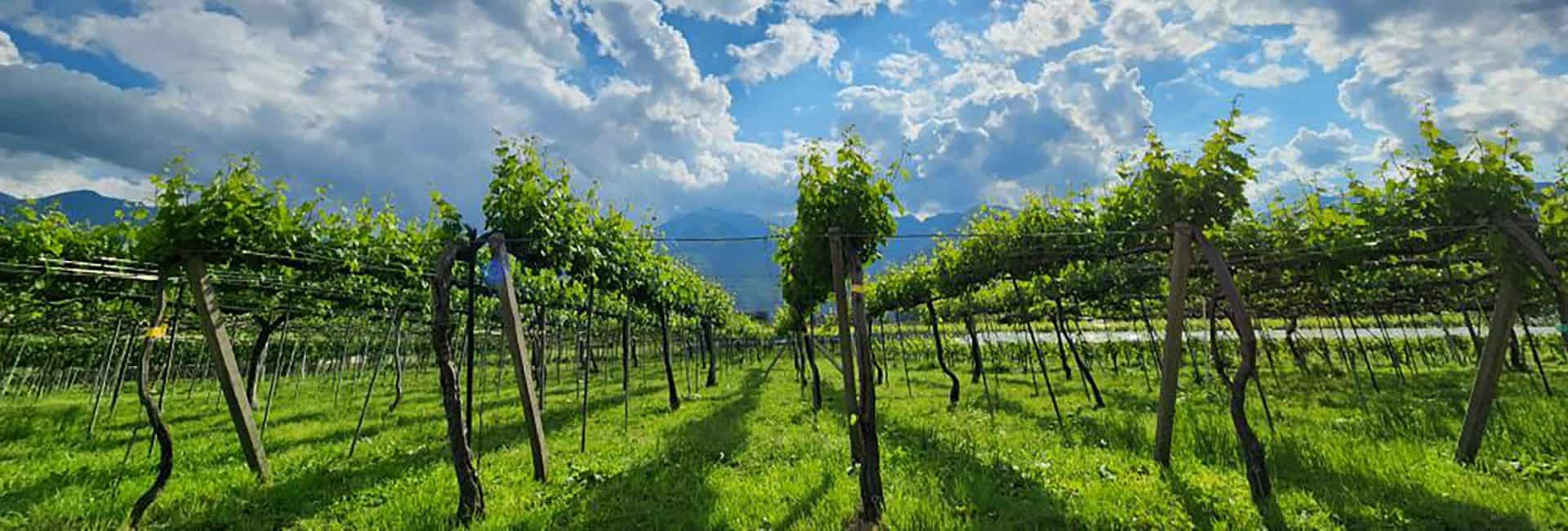
A winery visit in Japan is very different from a typical wine-country experience in Europe, North America, or Australia. The wineries are often smaller, the wines are more delicate, and the best regions are closely connected to local food, mountain landscapes, and regional culture. For travelers staying in Tokyo, the most natural place to begin is Yamanashi’s Koshu Valley.
Just about 90 minutes from Shinjuku by limited express train, Koshu Valley is the heart of Japanese wine country. It is home to many of Japan’s most important wineries, especially around Katsunuma and Enzan, where visitors can taste Koshu, Muscat Bailey A, sparkling wines, and small-production bottles in the place where they are made.
For travelers who want a private, relaxed, and locally guided winery experience, Winery Tours Japan offers customized Yamanashi wine tours with a bilingual local guide, curated winery visits, and a countryside pace that feels very different from Tokyo.
Table of contents
- Why Koshu Valley Is the Best Place to Experience Winery Japan
- What Makes Koshu Valley Wineries Special?
- How Close Are Yamanashi Wineries to Tokyo?
- What a Koshu Valley Winery Day Can Include
- Planning a Winery Day Trip from Tokyo?
- Why a Private Local Guide Helps
- The Role of Food in a Japanese Winery Experience
- Best Seasons to Visit Koshu Valley Wineries
- Can You Visit Multiple Wineries in One Day?
- What Makes This Different from Visiting a Wine Bar in Tokyo?
- Who Should Visit Koshu Valley Wineries?
- Tips for Visiting Wineries in Japan
- Book a Private Koshu Valley Winery Tour
- FAQs
Why Koshu Valley Is the Best Place to Experience Winery Japan
Koshu Valley is one of the best places to understand what makes Japanese wine unique. The region has a long history of grape growing, a strong connection to the Koshu grape, and a growing number of producers making wines that reflect both Japanese tradition and modern winemaking.
Unlike large commercial wine regions, many Yamanashi wineries feel personal and local. Some are family-run, some are historic, and others are more modern and experimental. A good day in Koshu Valley can include a mix of classic Koshu whites, Muscat Bailey A reds, sparkling wines, and bottles made from both Japanese and international grape varieties.
For visitors searching for “winery Japan,” this is the region that gives the clearest answer: Japanese wine is not simply an imitation of Western wine. It has its own grapes, climate, food culture, and sense of place.
What Makes Koshu Valley Wineries Special?
Koshu Valley wineries are closely tied to the landscape of Yamanashi. The region sits among mountains, vineyards, orchards, and historic towns, with the Japanese Southern Alps and Mt Fuji forming part of the wider scenery on clear days.
The most famous grape is Koshu, a Japanese variety often used to make crisp, subtle white wines. Koshu wines can show citrus, green apple, pear, mineral, herbal, and delicate savory notes. Their lighter structure makes them especially well suited to Japanese food.
Yamanashi is also known for Muscat Bailey A, an important Japanese red grape. Depending on the producer, Muscat Bailey A can be light, fruity, earthy, or more structured. Many wineries also work with Merlot, Chardonnay, Cabernet Sauvignon, Delaware, and other grapes, giving visitors a broader view of Japanese winemaking.
Travelers who want to understand Koshu in more detail can read the Koshu wine guide before or after visiting the region.
How Close Are Yamanashi Wineries to Tokyo?
One reason Koshu Valley works so well for travelers is its easy access from Tokyo. From Shinjuku Station, the Limited Express Kaiji or Azusa can bring visitors toward the Yamanashi wine region in about 90 minutes, depending on the station and schedule.
This makes it possible to enjoy a full winery day without needing to stay overnight. Travelers can leave Tokyo in the morning, visit several wineries, enjoy a local lunch, and return to the city in the evening.
Train travel is usually the most comfortable choice. It avoids Tokyo traffic, keeps the day relaxed, and makes wine tasting easier. Once in Yamanashi, a private guided route can focus on wineries, food, and local context rather than a long road transfer from the city.
For a broader planning overview, see the guide to a Japan wine tour from Tokyo.
What a Koshu Valley Winery Day Can Include
A private winery day in Koshu Valley can be shaped around the guest, the season, and winery availability. The best experiences are curated rather than rushed.
A typical day may include:
- Visits to several wineries in the Katsunuma and Enzan areas
- Tastings of Koshu, Muscat Bailey A, and other Japanese wines
- A relaxed lunch using seasonal local ingredients
- Conversation about Japanese wine, food pairing, and regional history
- Time to understand the producers rather than simply move from tasting to tasting
- Flexible routing based on weather, opening hours, and guest interests
Some travelers want to focus on boutique wineries. Others are interested in historic producers, architecture, vineyard views, or Japanese wine styles they cannot easily taste overseas. A private route allows the day to be adjusted around those interests.
Planning a Winery Day Trip from Tokyo?
Winery Tours Japan creates private, customized wine tours in Yamanashi’s Koshu Valley with a bilingual local guide, curated winery visits, and a relaxed countryside pace.
Why a Private Local Guide Helps
Yamanashi wine country can be difficult to navigate alone, especially for international visitors. Some wineries have limited English support, tasting systems vary, and opening hours or appointments can change. A private local guide helps make the day smoother and more meaningful.
Morey, the guide behind Winery Tours Japan, is bilingual in English and Japanese and locally based in Yamanashi. As a long-time resident, he brings practical local knowledge, winery relationships, and cultural understanding that help guests experience Koshu Valley in a more personal way.
That local connection matters. A guide can explain why Koshu tastes different from many Western white wines, how Muscat Bailey A fits into Japanese red wine, how local food shapes the tasting experience, and why Yamanashi became the center of Japanese wine culture.
The Role of Food in a Japanese Winery Experience
Wine tasting in Yamanashi is strongest when it is connected to food. Japanese wines, especially Koshu, often show their best qualities alongside cuisine rather than as heavy standalone tasting wines.
Koshu can pair naturally with Japanese ingredients, light sauces, seasonal vegetables, tofu dishes, seafood, and delicate flavors. Muscat Bailey A can work with grilled foods, soy-based flavors, mushrooms, and lighter meat dishes.
A good lunch helps bring the region together. It gives visitors a chance to understand why Japanese wine is often described as food-friendly, balanced, and subtle. Instead of treating lunch as a break between wineries, it becomes part of the wine experience itself.
Best Seasons to Visit Koshu Valley Wineries
Koshu Valley can be visited year-round, but each season has a different feeling.
Spring brings blossoms, fresh greenery, and mild weather. It is a good season for travelers who want a scenic and comfortable countryside day.
Summer is warm and green, with lively vineyards and refreshing white wines. It can be hot, but the region feels active and full of growth.
Autumn is one of the most popular seasons because of harvest, changing leaves, and a strong wine-country atmosphere. Winery schedules can be busier, so advance planning is important.
Winter is quieter and more relaxed. The vines are bare, the air is crisp, and tastings can feel more personal. On clear days, the mountain scenery can be especially beautiful.
There is no single best season for everyone. The right timing depends on whether you prefer scenery, harvest atmosphere, quieter tastings, or seasonal food.
Can You Visit Multiple Wineries in One Day?
Yes. A full-day private Yamanashi wine tour can often include several winery visits, depending on opening hours, appointments, lunch timing, tasting style, and the pace of the group.
The goal should not be to visit as many wineries as possible. A stronger day balances variety with enough time to taste, ask questions, enjoy lunch, and understand the region.
Some wineries are better for Koshu. Others may be better for Muscat Bailey A, sparkling wine, history, architecture, vineyard views, or small-production bottles. The best route depends on the day and the guests.
Travelers who want a fully private route from Tokyo may also find the guide to private wine tours from Tokyo useful.
What Makes This Different from Visiting a Wine Bar in Tokyo?
A wine bar in Tokyo can be a good way to taste Japanese wine, but it cannot fully replace visiting Yamanashi. In Tokyo, the wine is separated from the vineyards, producers, and regional food culture. In Koshu Valley, the wine is connected to the landscape and the people who make it.
That difference changes the experience. A glass of Koshu becomes more meaningful when you understand the climate, grape, vineyard history, food pairing, and local context behind it.
For travelers who want a deeper introduction to Japanese wine, visiting the wineries themselves is the better choice.
Who Should Visit Koshu Valley Wineries?
Koshu Valley is a good fit for many kinds of travelers, including:
- Wine lovers interested in Japanese wine
- First-time visitors who want a day trip beyond Tokyo
- Couples looking for a private countryside experience
- Solo travelers who want a guided wine day without joining a large group
- Small private groups interested in food, wine, and local culture
- Travelers who prefer boutique experiences over crowded sightseeing
It is also a strong choice for people who are curious about rural Japan and want a day that feels personal, relaxed, and connected to the region.
Tips for Visiting Wineries in Japan
Book ahead when possible. Winery schedules, opening hours, and tasting availability can change.
Use the train from Tokyo. It is usually more relaxing than driving and avoids city traffic.
Wear comfortable shoes. Some wineries may have stairs, gravel, vineyard paths, or uneven surfaces.
Dress for the season. Yamanashi can feel different from Tokyo depending on weather, elevation, and time of year.
Stay flexible. A private, curated route is usually better than forcing a fixed list of wineries.
Ask questions. Many of the best parts of a winery visit come from conversation, context, and understanding why each producer works the way they do.
Book a Private Koshu Valley Winery Tour
Koshu Valley is one of the best places to experience winery Japan in a way that feels authentic, personal, and close to the source. In one day from Tokyo, travelers can visit Yamanashi wineries, taste Japanese wine where it is made, enjoy local food, and understand a side of Japan that many visitors miss.
Winery Tours Japan offers private, customized wine tours in Yamanashi for solo travelers, couples, and small private groups. The experience is guided by local knowledge, winery relationships, and a relaxed approach to Japanese wine culture.
To plan your private winery day in Koshu Valley, visit the Winery Tours Japan contact page and send your preferred date, group size, and wine interests.
FAQs
Yamanashi’s Koshu Valley is one of the best places to visit wineries in Japan. It is close to Tokyo, historically important, and home to many wineries producing Koshu, Muscat Bailey A, and other Japanese wines.
Koshu Valley can be reached from Tokyo by limited express train in about 90 minutes, depending on the station and schedule.
Koshu is a Japanese grape variety often used to make crisp, delicate white wines. It is known for citrus, mineral, herbal, and subtle savory notes, and it pairs especially well with Japanese food.
Yes. A full-day private Yamanashi wine tour can include several winery visits, depending on opening hours, appointments, lunch timing, and the pace of the group.
Winery Tours Japan tours are guided by Morey, a bilingual English-Japanese guide based in Yamanashi. His local knowledge and winery relationships help create a more personal and meaningful experience.
The tour is private and customized. It is designed for solo travelers, couples, or small private groups who want a relaxed winery experience rather than a fixed large-group route.
Yes. Japanese wine is approachable, food-friendly, and often lighter in style. A private guide can explain the wines clearly for beginners while still giving experienced wine lovers deeper context.
In many cases, yes. Some wineries sell bottles directly at their tasting rooms, though availability, shipping options, and payment methods vary by winery.
Yamanashi can be visited year-round. Spring has blossoms and greenery, summer has lively vineyards, autumn has harvest and foliage, and winter is quieter with crisp mountain air.
Send an inquiry through the contact page with your preferred date, group size, and interests. Winery Tours Japan can then help shape the day around your preferences.