




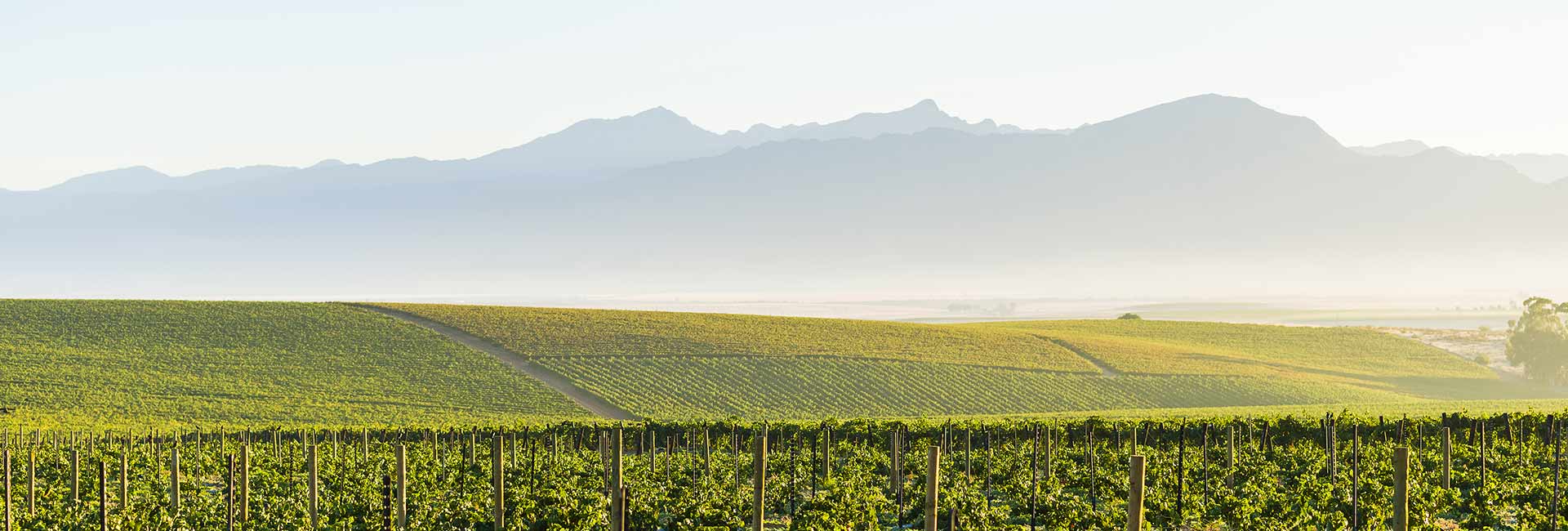
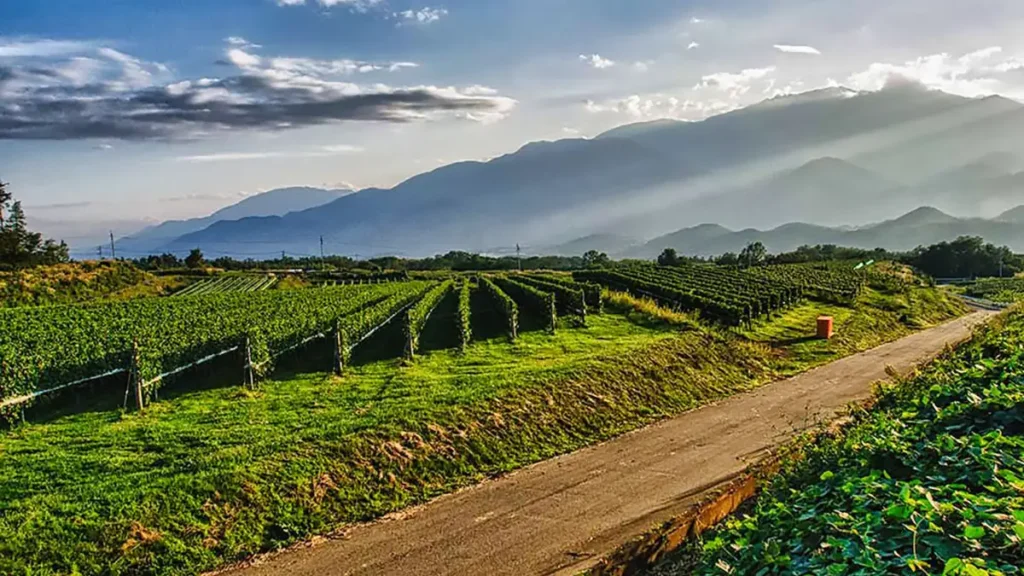
Japanese wine is no longer understood through a single prefecture alone. The national picture has widened, and today any serious overview of Japanese wine needs to account for several important regions. Even so, the map is not flat. Some regions carry more historical weight, greater production importance, or stronger identity than others. That distinction matters if the goal is to understand Japanese wine properly rather than treat every region as interchangeable.
The best place to begin is Yamanashi. It remains the historic foundation of Japanese wine and still functions as the strongest point of reference in any national discussion. From there, the picture broadens. Nagano stands out as the strongest complementary region, while Hokkaido and Yamagata add real depth to the national story. Beyond them, a wider set of smaller and secondary areas shows that Japanese wine is becoming more geographically diverse, even if that broader landscape still revolves around a few core centers.
Table of contents
- Why wine regions matter in Japan
- Yamanashi: the foundation of Japanese wine
- Nagano: the strongest complementary region
- Hokkaido: Japan’s northern frontier
- Yamagata: an established but quieter force
- Other regions across Japan
- How Japan’s wine regions differ in style and identity
- Where to start when exploring Japanese wine regions
- FAQ
- Conclusion
Why wine regions matter in Japan
Wine regions matter because climate, elevation, rainfall, and growing conditions shape the final character of wine. That is true in established wine countries, and it is equally true in Japan, where vineyards stretch from cool northern Hokkaido to warmer parts of Honshu.
Japan’s wine industry also developed unevenly. Some regions built deep foundations early, while others are more recent or more specialized. As a result, the national map is best understood as a hierarchy rather than a flat list of equal regions. Some areas are central to the story of Japanese wine, while others are important but secondary. That hierarchy is what gives the national picture its structure.
Yamanashi: the foundation of Japanese wine
Yamanashi is the foundation of Japanese wine and the natural starting point for understanding the country’s wine culture. It is widely regarded as the birthplace of Japanese winemaking and remains the most established wine prefecture in both historical and structural terms.
It also carries real weight today. Yamanashi has the highest concentration of wineries in Japan and accounts for a large share of national production. That combination of history and scale is why it remains the central reference point for Japanese wine as a whole, and why so many people first encounter the subject through a Japan wine tour.
Yamanashi’s importance is reinforced by identity. The region is inseparable from Koshu, Japan’s best-known native white grape, and is also a key reference point for Muscat Bailey A, the grape most often associated with the Japanese red wine conversation.
For a deeper look at how these grapes shape the national picture, see our Koshu wine guide and Japanese red wine guide.
That dual role, helping define both white and red wine identity, is what makes Yamanashi uniquely important. It does not just produce wine. It helps define what Japanese wine is.
The region also benefits from geography. Its inland basin climate, protected by surrounding mountains, creates stable growing conditions and allows vineyards at different elevations to produce a range of styles. Combined with long-established wineries and newer boutique producers, this gives Yamanashi a depth that no other region matches.
For readers trying to understand Japanese wine properly, Yamanashi remains the strongest starting point. It offers the most complete introduction to history, grape identity, and wine culture in one place.
Nagano: the strongest complementary region
If Yamanashi is the foundation, Nagano is the strongest complementary region in Japan today.
Nagano’s identity is shaped by elevation and climate. Many vineyards sit at higher altitudes, often around 700 meters or more, where cooler conditions allow grapes to ripen more slowly while retaining freshness. This creates a distinct contrast with Yamanashi and gives Nagano a different profile in both style and structure.
The region is also more diverse than it first appears. Wine production is spread across multiple valleys and sub-regions, each with its own strengths. Nagano is especially associated with Merlot and Chardonnay, and more broadly with wines that show freshness, structure, and a cooler-climate character.
What makes Nagano important is not that it replaces Yamanashi, but that it complements it. Yamanashi explains the historic center of Japanese wine. Nagano shows how the category has expanded into a more modern and varied expression.
For that reason, Nagano is best understood as Japan’s strongest number-two wine region. It broadens the national conversation without displacing the region that still anchors it.
Hokkaido: Japan’s northern frontier
Hokkaido represents the northern edge of Japanese wine and a different kind of regional importance.
Its cooler climate, lower humidity, and longer daylight hours make it especially suitable for certain grape varieties. This gives Hokkaido a distinct identity compared with central Japan and helps explain why it has become increasingly important in the national wine discussion.
The region has developed quickly and continues to gain attention. Many wineries are smaller and more spread out than those in Yamanashi, but the direction is clear: Hokkaido adds a new dimension to Japanese wine rather than repeating older patterns.
Its importance lies in expansion. It shows how far Japanese wine can extend geographically and stylistically beyond its traditional center.
Yamagata: an established but quieter force
Yamagata is less visible internationally than Yamanashi or Hokkaido, but it is an established and important wine region within Japan.
It has long produced grapes for winemaking and continues to contribute to the national industry. The region is often associated with fresh, fruit-driven wines and balanced acidity, giving it a steady and recognizable place in the broader picture.
Yamagata adds depth to the national map. It sits between the dominance of Yamanashi and the rising profile of Hokkaido, providing continuity without needing to dominate the conversation.
It is best understood as a stable, established contributor to Japanese wine rather than a headline region. That quieter role is exactly why it belongs in any serious overview.
Other regions across Japan
Beyond the main four, Japanese wine extends into a wider set of areas.
Niigata, for example, has its own growing wine identity and is notable as the birthplace of Muscat Bailey A. Tokyo and Osaka represent a different side of the national wine picture, with urban wineries, dense wine culture, and strong access to Japanese wine through bars, restaurants, and city-based production rather than vineyard concentration alone.
These areas are not central to the hierarchy, but they are part of the wider landscape. They show how Japanese wine continues to expand beyond the most established vineyard regions into new formats, smaller centers, and more localized expressions.
That broader picture matters. It reminds readers that Japanese wine is not limited to one valley or one prefecture, even if the national structure still begins with Yamanashi.
How Japan’s wine regions differ in style and identity
The structure is straightforward.
Yamanashi is the foundation.
Nagano is the strongest complement.
Hokkaido is the northern expansion.
Yamagata is the quieter established presence.
Together, these regions show that Japanese wine is not defined by a single style or by one place alone. It is a layered system built around a strong center and then expanded outward through climate, geography, grape selection, and regional identity.
That is why a hierarchy matters. Without it, Japanese wine looks like a scattered map. With it, the national picture becomes much easier to understand.
Where to start when exploring Japanese wine regions
For most readers, the best place to start is Yamanashi.
It offers the strongest combination of history, grape identity, and concentration of wineries. From there, Nagano provides the most meaningful contrast and expansion, showing how Japanese wine has developed beyond its historical core.
Hokkaido and Yamagata then add further perspective, helping build a fuller understanding of Japanese wine across different climates and regions. Other areas can follow later, once the main structure is in place.
For most people, that sequence makes the most sense: Yamanashi first, then Nagano, then outward into the broader national landscape.
FAQ
The main wine regions in Japan are Yamanashi, Nagano, Hokkaido, and Yamagata. These four form the core structure of Japanese wine and are the most useful starting points for understanding how the country’s wine map works.
They are not all equal in weight, however. Yamanashi remains the historic foundation, Nagano is the strongest complementary region, and Hokkaido and Yamagata add depth to the broader national picture.
Yamanashi is the most important wine region in Japan in overall historical and structural terms. It is widely regarded as the birthplace of Japanese winemaking and remains the strongest national reference point for understanding Japanese wine.
It also carries more than symbolic importance. Its concentration of wineries, large production share, and close association with key grapes such as Koshu give it a central role that no other region matches.
Yamanashi is important because it brings together history, scale, grape identity, and reputation in one place. It is central to the story of Koshu, deeply tied to Muscat Bailey A, and widely seen as the heartland of Japanese wine.
That makes it more than just a productive wine region. It is the place that most strongly shapes how Japanese wine is understood both inside and outside Japan.
Nagano differs from Yamanashi mainly through climate, elevation, and style. It is generally cooler, with many vineyards at higher altitudes, and this gives its wines a fresher, more structured profile.
Yamanashi remains the historic core, while Nagano represents a more modern and complementary side of Japanese wine. The two regions work best when understood together rather than in competition.
Yes. Hokkaido has become increasingly important because its cool climate supports different growing conditions from central Japan and adds a distinct regional character to the national wine landscape.
Its rise also matters strategically. Hokkaido shows how Japanese wine is expanding beyond its traditional center into new climatic territory and new stylistic possibilities.
Yamagata may be quieter than Yamanashi or Hokkaido in public visibility, but it is still an important part of Japan’s wine structure. It has a long-standing role in grape growing and winemaking and contributes real depth to the national picture.
It is best understood as an established secondary region rather than a fringe area. Leaving it out would make the map feel incomplete.
No. Yamanashi is the foundation, but Japanese wine is also produced in Nagano, Hokkaido, Yamagata, and a range of other regions across the country.
What makes Yamanashi different is not exclusivity, but centrality. It is the strongest starting point, not the only place where Japanese wine is made.
These regions are part of the wider Japanese wine landscape. Niigata has historical importance and its own developing identity, while Tokyo and Osaka represent important urban wine centers with wineries, bars, restaurants, and access to Japanese wine culture.
They are secondary in this article’s hierarchy, but still relevant. They help show how Japanese wine now extends beyond the main vineyard regions into a wider national network.
Beginners should start with Yamanashi because it provides the most complete introduction to Japanese wine history, grape identity, and regional culture. It is the easiest place to understand the foundations of the subject.
After that, Nagano is the best next step. Hokkaido and Yamagata can then help build a broader understanding of how Japanese wine changes across different climates and regions.
Conclusion
Japanese wine is not a single-region story, but it is not evenly spread either. A few regions shape the foundation, while others add depth, contrast, and new directions.
Yamanashi remains the starting point. From there, Nagano brings a different energy and style, while Hokkaido and Yamagata expand the picture across climate and character. Beyond them, smaller regions continue to add new layers to Japan’s growing wine landscape.
The real interest comes from exploring how these regions connect.
Start with Yamanashi, then move outward and compare. As you do, the structure and relationships becomes clearer, and the variety becomes more interesting.