




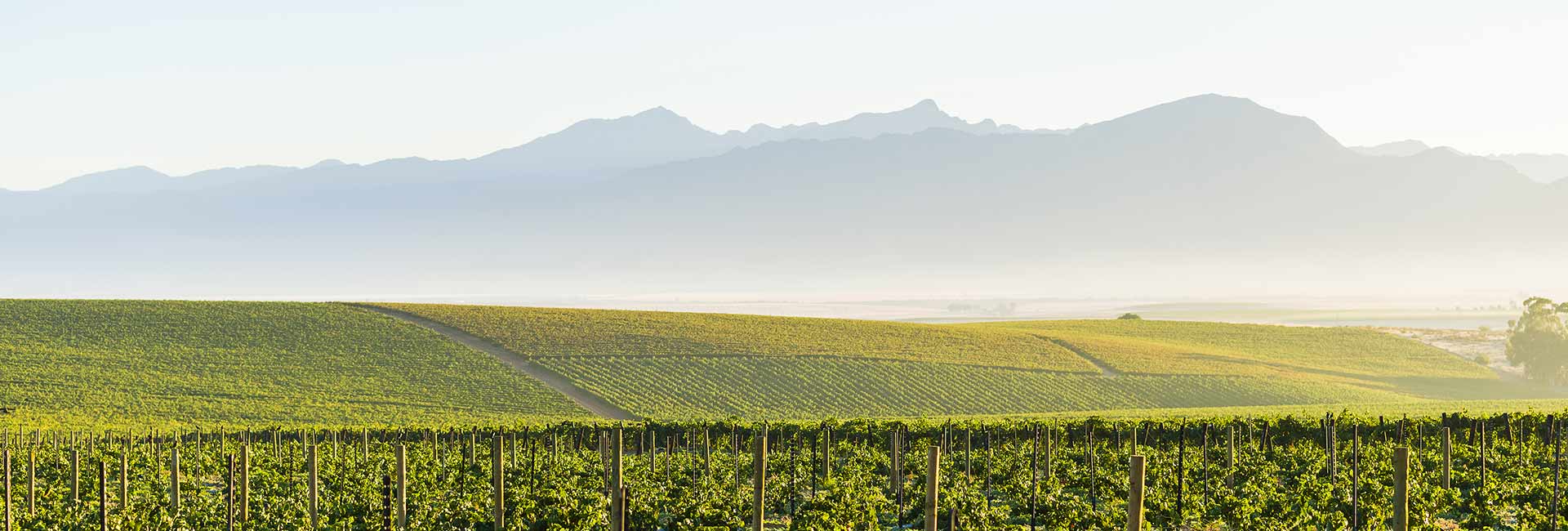
Koshu Wine Guide Yamanashi: Japan’s Signature White Wine
Koshu is Japan’s signature white wine grape, and Yamanashi is the best place to understand why it matters. Light, elegant, and quietly expressive, Koshu has become one of the clearest symbols of Japanese wine. Its delicate citrus character, refreshing acidity, and clean mineral finish make it distinct from heavier international white wines, and its natural harmony with food gives it a strong place in Japan’s wine culture.
This Koshu wine guide Yamanashi page is designed to explain what makes Koshu special, what it tastes like, how it is made, and why tasting it in Yamanashi gives visitors a much fuller understanding than simply trying a bottle elsewhere. For travelers already thinking about a countryside escape, the region also works surprisingly well as an easy wine day trip from Tokyo or even as a natural extension from Kawaguchiko.
If you want a broader introduction to the region itself, you can start with the Winery Tours Japan homepage, which explains the wider Yamanashi wine experience.
What is Koshu wine?
Koshu is Japan’s best-known white wine grape and the variety most closely associated with the country’s wine identity. Although Japan now produces a range of white wines, Koshu stands apart because of its history, its regional connection to Yamanashi, and its unmistakably Japanese style.
Rather than aiming for weight or richness, Koshu is usually appreciated for finesse. It often feels clean, subtle, and precise. That understated quality is part of its appeal. It suits Japanese cuisine naturally, but it also appeals to wine drinkers who enjoy elegant, food-friendly whites with freshness and restraint.
In the context of Japanese wine, Koshu is not just another local grape. It is one of the main reasons Yamanashi became the most important wine destination in the country.
Why Koshu is so closely linked to Yamanashi
Koshu may be recognized nationally, but Yamanashi is where its story feels most complete. The region is the spiritual home of the grape and the place where visitors can best understand how landscape, climate, food, and wine culture come together.
Yamanashi offers the right combination of vineyard history, winery concentration, and scenic countryside atmosphere. The area around Koshu Valley gives Koshu wine a meaningful setting rather than just a label. You are not only tasting a grape. You are tasting a wine that belongs to a region with deep roots in Japanese winemaking.
That is one reason this Koshu wine guide Yamanashi page matters as a standalone authority page. Koshu can be tasted in Tokyo restaurants or wine bars, but Yamanashi is where the wine makes the most sense.
What does Koshu wine taste like?
Koshu is usually light to medium-light in body, with a fresh and refined profile rather than a bold one. Many examples show notes such as citrus, yuzu, lemon, white peach, delicate floral tones, and a subtle mineral edge. The finish is often clean, smooth, and refreshing.
The best way to think about Koshu is not power, but clarity.
It often appeals to people who enjoy:
- elegant white wines
- citrus-driven freshness
- lighter alcohol
- subtle fruit rather than overt sweetness
- wines that work easily with food
That is also why Koshu can surprise people. If someone expects a rich Chardonnay or a sharply aromatic Sauvignon Blanc, Koshu may feel gentler and more restrained. But that restraint is exactly what many drinkers come to appreciate.
Is Koshu dry or sweet?
Most Koshu wines are dry or close to dry, but the style can vary depending on the producer and the winemaking approach. In general, Koshu is known for freshness, delicate fruit, and a polished, elegant finish rather than obvious sweetness.
Some examples may feel softer or rounder, especially if they are made in a richer style, but Koshu is usually best understood as a dry, food-friendly white wine.
That dry, graceful profile is one reason it pairs so naturally with Japanese cuisine and why it works so well for travelers looking for a refined tasting experience rather than something heavy or overpowering.
Koshu winemaking styles
Koshu is more versatile than many first-time visitors expect. Although the classic image is a crisp, still white wine, producers work with the grape in several different ways.
Common Koshu styles include:
- crisp, unoaked Koshu
- sur lie Koshu with more texture
- sparkling Koshu
- barrel-aged Koshu
- skin-contact or orange-style Koshu
The classic unoaked style is usually the best place to begin. It shows the grape’s freshness, minerality, and subtle citrus character most clearly.
Sparkling Koshu often feels lively and refreshing, making it an excellent aperitif style. Sur lie versions can add a little more texture and depth. Barrel-aged examples may show more body, softness, and layered complexity. Skin-contact Koshu can add grip, texture, and a more unusual expression for drinkers who want to explore something less conventional.
This stylistic range is one reason tasting Koshu in Yamanashi offers such strong value. In one day, visitors can often discover multiple interpretations of the same grape and begin to understand how flexible it really is.
Why Koshu pairs so well with food
Koshu is one of the most food-friendly white wines in Japan. Its freshness, moderate body, and subtle aromatics allow it to support a meal without taking over. That balance is especially important in Japanese cuisine, where delicacy, texture, umami, and seasonal ingredients often matter more than intensity alone.
Koshu pairs naturally with:
- sushi and sashimi
- tempura
- grilled fish
- tofu dishes
- lighter chicken dishes
- simple seafood preparations
- seasonal vegetables
- delicately seasoned appetizers
It can also work well beyond Japanese food, especially with oysters, scallops, salads, and light Mediterranean-style dishes. But it is with Japanese cuisine that the grape feels especially complete.
That pairing strength is one reason a good Koshu tasting in Yamanashi feels like more than just a winery visit. It gives visitors a clearer understanding of how Japanese wine and Japanese food belong together.
How Koshu differs from other white wines
Koshu is often easiest to understand through comparison.
Compared with Chardonnay, Koshu is usually lighter, more restrained, and less creamy or broad.
Compared with Sauvignon Blanc, it is often gentler, softer, and less aggressively aromatic.
Compared with Pinot Grigio, it can feel similarly light, but often with more subtle Japanese citrus and a more mineral, delicate finish.
Koshu does not try to dominate the palate. Its strength lies in elegance, nuance, and compatibility with food. That is why many travelers remember it so clearly after tasting it in Yamanashi, even if they had never heard of it before.
Why Yamanashi is the best place to taste Koshu
You can taste Koshu outside Yamanashi, but the region gives the wine context.
In Yamanashi, visitors can see vineyards, experience the rural setting, visit both established and family-owned wineries, and understand how Koshu fits into the broader culture of Japanese wine. The tasting becomes more educational, more memorable, and more connected to place.
For many travelers, this is where the value becomes clearer. Instead of tasting one isolated bottle in a city, you experience Koshu as part of a wider regional story. You can compare styles, understand the atmosphere that shaped them, and come away with a much deeper impression of the grape.
That fuller experience is one reason Yamanashi continues to stand apart as Japan’s most rewarding wine destination.
Easy from Tokyo and even a natural extension from Kawaguchiko
One of Yamanashi’s biggest advantages is accessibility. For many visitors, Koshu wine does not require a long multi-day wine holiday. The region works well as an easy day trip from Tokyo, which adds practical value for travelers who want a countryside wine experience without complicated logistics.
It also makes sense for some travelers coming from Kawaguchiko. If you are already exploring the Mt. Fuji area, extending the journey into Yamanashi wine country can feel surprisingly natural. That combination of scenery, regional culture, and wine creates a different kind of day from standard sightseeing and gives visitors a deeper look at another side of the region.
This matters especially now because travelers often want experiences that feel worth the time, worth the effort, and worth the price. Koshu in Yamanashi works well in that context because it is not only beautiful and educational, but also efficient and well suited to a private, all-inclusive day.
Why a guided Koshu day offers excellent value
Koshu is subtle. Yamanashi is layered. And many of the best winery experiences become more meaningful when they are thoughtfully curated.
A guided day can offer excellent value because it reduces planning stress, clarifies the region, and makes it easier to experience multiple styles of Koshu in a single day. Guests are not only tasting wine. They are tasting different interpretations of the same grape, in the place where it matters most, with local context and smoother pacing.
For visitors coming from Tokyo or Kawaguchiko, that kind of structure can make the day feel much more complete. It turns a simple tasting stop into a fuller understanding of Japanese wine.
For practical questions before visiting, the Winery Tours Japan FAQ page is a useful next step.
Final thoughts
Koshu is more than Japan’s signature white grape. It is one of the clearest expressions of how Japanese wine developed its own identity.
Its fresh citrus notes, delicate body, mineral finish, and food-friendly character make it immediately appealing, but it is in Yamanashi that the wine becomes most meaningful. The region gives Koshu history, landscape, atmosphere, and a clearer sense of place.
That is why this Koshu wine guide Yamanashi page matters. If you want to understand Koshu properly, tasting it in Yamanashi offers a fuller, more memorable, and more rewarding experience than trying to piece it together elsewhere. For travelers coming from Tokyo or even from Kawaguchiko, it is one of the most worthwhile wine experiences in Japan.
FAQs
Koshu usually tastes light, fresh, and elegant, with notes such as citrus, yuzu, lemon, white peach, delicate flowers, and a subtle mineral finish. It is typically more restrained than many international white wines, which is part of what makes it distinctive. The overall impression is clean, polished, and very food-friendly.
Most Koshu wines are dry or close to dry, though the exact style can vary by producer. In general, Koshu is better known for freshness, gentle fruit, and a refined finish than for sweetness. Some richer expressions can feel rounder, but the grape is usually associated with dry, elegant white wine.
Yamanashi is the region most closely associated with Koshu and the place where the grape makes the most sense in context. Visitors can experience vineyards, winery culture, regional food, and multiple styles of Koshu in the same day. That makes the tasting feel more complete and more connected to the story of Japanese wine.
Koshu is usually lighter and more restrained than Chardonnay, with less richness and less oak influence in its classic style. Compared with Sauvignon Blanc, it is often softer and less intensely aromatic. Its strength lies in subtlety, elegance, and how naturally it works with food.
Yes. Koshu is one of the most food-friendly white wines in Japan because its freshness and delicate structure allow it to complement a meal without overpowering it. It works especially well with sushi, sashimi, tempura, grilled fish, tofu dishes, and seasonal Japanese cuisine.
Yes. Yamanashi works very well as a day trip from Tokyo, which is one reason Koshu tasting is so appealing for travelers. The region is close enough to feel convenient, but rich enough to offer a meaningful countryside wine experience in a single day.
Yes. Koshu offers a different style of white wine that many European wine drinkers find refreshing and interesting. It is less about power and more about balance, subtle fruit, and minerality. If you enjoy elegant, food-friendly whites, Koshu is well worth trying.
Yes. For travelers already visiting Kawaguchiko or the wider Mt. Fuji area, Yamanashi wine country can be a natural extension. It adds a more regional and cultural dimension to the trip and offers a different experience from standard sightseeing alone.