




Japanese Wine vs Sake: What’s the Difference, and Which Should You Try?
Japanese wine vs sake is one of the most common questions travelers ask when they start exploring Japanese drinks. Both can be refined, food-friendly, and closely tied to place. But the difference isn’t just preference. It starts with ingredients and continues through production, flavor structure, serving style, and the kind of travel experience you want.
This guide explains the comparison in a practical way so you can choose what to try first—or plan to enjoy both on separate days.
At a glance: wine and sake
Japanese wine is made from grapes.
Sake is brewed from rice.
That single difference explains most of what you’ll taste.
What is Japanese wine?
Japanese wine refers to wine made from grapes grown in Japan and produced in Japan. The most recognized region is Yamanashi Prefecture, especially the Koshu Valley, home of Japan’s signature white grape, Koshu.
Key characteristics you’ll often notice:
- Made from grapes (Koshu, Muscat Bailey A, Chardonnay, Merlot, and other varieties)
- Often lighter-bodied and more delicate than many international styles
- Common alcohol range is roughly 10–13 percent
- Many styles emphasize clarity, freshness, and balance with food
Koshu: Japan’s signature wine grape
Koshu is known for subtle citrus, gentle floral notes, and a clean mineral finish. It often performs best with Japanese cuisine because it supports flavors rather than overpowering them.
Start here if you want the Koshu overview before tasting:
Koshu wine guide
What is sake?
Sake (nihonshu) is a traditional Japanese alcoholic beverage brewed from rice. It is not a distilled spirit. Sake style changes dramatically based on rice polishing, fermentation decisions, yeast, and water.
Key characteristics you’ll often notice:
- Made from polished rice, water, koji mold, and yeast
- Often textured, layered, and umami-friendly
- Common alcohol range is roughly 13–16 percent
- Served chilled, room temperature, or gently warmed depending on style
Common categories you may see:
- Junmai: often fuller-bodied and rice-forward
- Ginjo and Daiginjo: more aromatic, refined premium styles
- Nigori: cloudy, unfiltered, often softer and more textured
How they’re made
Wine is fermented grape juice. The final style depends on grape variety, harvest timing, fermentation temperature, and aging decisions.
Sake is brewed. Rice is polished, steamed, inoculated with koji, and fermented through a controlled process where starch becomes sugar and then alcohol. Small changes in polishing ratio and fermentation control can transform aroma, sweetness perception, and mouthfeel.
Taste and texture differences
Wine often feels:
- Crisp to gently rounded
- Clear in acidity and finish (especially Koshu)
- Clean and precise at the table
Sake often feels:
- Smoother and more layered
- More umami-driven
- Sometimes slightly sweet in impression even when dry
- Textural, with a longer softer finish in many styles
Serving style differences
Wine is typically served chilled in a wine glass.
Sake can be served chilled, room temperature, or gently warmed depending on the style and season. Aromatic premium styles are often best chilled, while richer styles can open up with gentle warmth.
Food matches
Use these as reliable starting points, not rigid rules.
Japanese wine commonly fits:
- Sushi and sashimi (Koshu is a natural match)
- Tempura and lighter fried dishes
- Seasonal vegetables and clean flavors
- Simple grilled fish
Sake commonly fits:
- Grilled dishes and richer savory foods
- Hot pot and warming dishes
- Tofu-based dishes
- Meals where umami and texture matter most
Travel experience: vineyards vs breweries
This comparison is also a travel choice, because the settings feel different.
Wine experiences in Japan
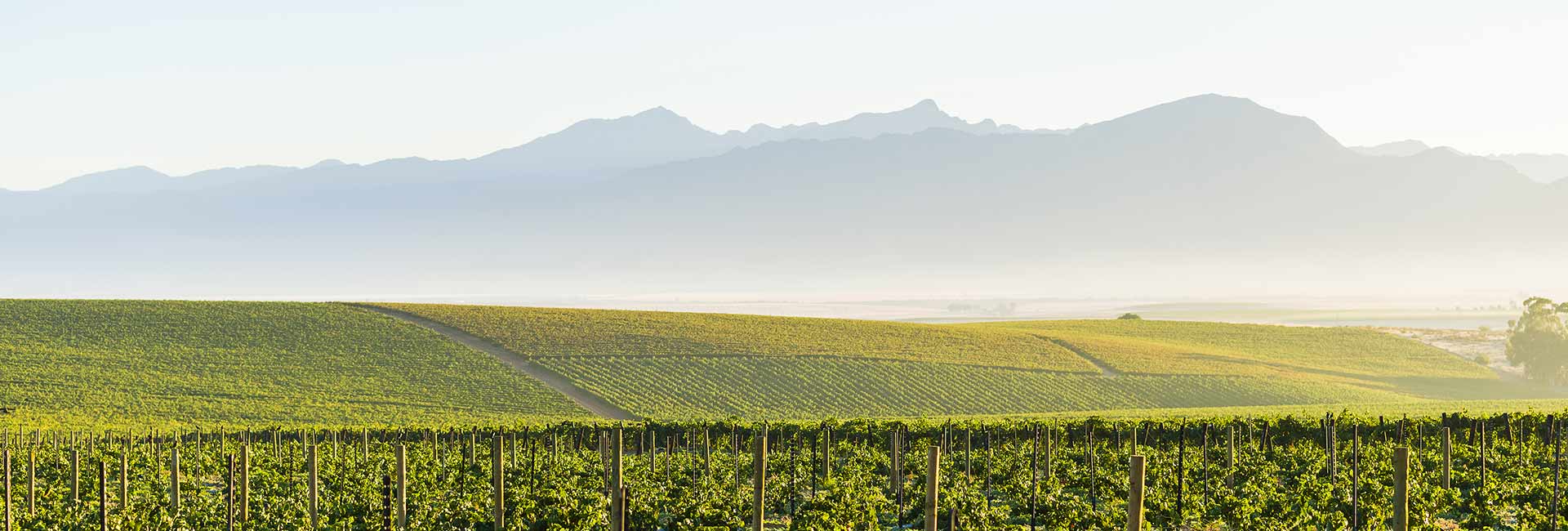
Yamanashi’s Koshu Valley offers a countryside setting with vineyards, tasting rooms, and a tasting rhythm that can feel relaxed and premium. For many visitors, it’s an ideal day trip from Tokyo because the region is accessible and the experience feels scenic and calm.
If you’re planning from Tokyo, start here: Day trip from Tokyo to Koshu Valley
Sake experiences in Japan
Sake breweries are often tied to historic towns and traditional production culture. Visits can feel educational and heritage-focused, and the atmosphere often emphasizes craft and history.
Which should you try first?
Choose Japanese wine first if you want:
- A scenic countryside tasting day
- Lighter, food-friendly styles
- A place-driven experience built around vineyards
Choose sake first if you want:
- A tradition-forward craft experience
- A focus on brewing culture and heritage
- A drink that leans more toward umami and texture
Many travelers find the best answer to Japanese wine vs sake is to enjoy both on separate days so each experience stays distinct.
A premium way to experience Japanese wine in Yamanashi
If Japanese wine is your priority, the Koshu Valley is the most natural place to start. A private experience matters because pacing, tasting order, and winery access shape the entire day.
Winery Tours Japan offers private, curated Yamanashi wine tours led by a bilingual English–Japanese local guide with deep connections in the local wine community. That combination keeps tastings smooth, culturally natural, and focused on the wines rather than logistics.
Private Yamanashi wine tour
Guest reviews
Tour FAQs
Contact us to reserve a private day
FAQ
Japanese wine is made from fermented grapes, while sake is brewed from polished rice using koji. That difference changes the structure of the drink: wine often shows acidity and fruit clarity, while sake often shows umami and a smoother texture. If you remember one thing about Japanese wine vs sake, it’s grapes versus rice.
Most serious Japanese wines served in tastings are dry or close to dry, especially Koshu. Koshu often tastes crisp, subtle, and clean rather than sweet. If you’re expecting a fruity sweet white, Japanese wine may feel lighter and more restrained.
Sake is often slightly higher in alcohol than Japanese wine. Many sake styles are around 13–16 percent, while many Japanese wines sit around 10–13 percent. The bigger difference is mouthfeel: sake can feel rounder and more layered even at similar strength.
Choose Japanese wine first if you want a scenic countryside tasting day with lighter, food-friendly styles, especially in Yamanashi’s Koshu Valley. Choose sake first if you want a tradition-forward brewing experience tied to heritage towns and brewery culture. Many travelers enjoy Japanese wine vs sake best by doing both on separate days.
A bilingual English–Japanese local guide makes tastings smoother by translating context naturally and keeping the pacing relaxed. Deep local connections in the wine community also help visits feel welcoming and culturally natural, especially at smaller wineries. A curated private day improves the tasting order and overall flow so the region makes sense as you taste.