




Why the Yamanashi Wine Region Defines Japanese Winemaking
The Yamanashi wine region is widely regarded as the foundation of modern Japanese winemaking. Located just 90 minutes from Tokyo, this mountain-surrounded prefecture is home to the historic Koshu Valley and the country’s highest concentration of wineries. For over a century, wine in Yamanashi has shaped Japan’s domestic wine culture and established the region as the nation’s premier wine destination.
Unlike urban tasting rooms or imported-focused wine bars, the Yamanashi wine region offers direct access to vineyards, winemakers, and the landscape that defines Japanese terroir.
How Yamanashi Became Japan’s Leading Wine Region
The rise of the Yamanashi wine region began in the late 19th century, when local growers started experimenting with European viticulture techniques during the Meiji era. Early pioneers traveled abroad to study winemaking and returned with knowledge that would shape the future of Japanese wine production.
What distinguished Yamanashi was not only experimentation, but adaptation. The native Koshu grape had been cultivated in the region for centuries, originally used as a table grape. Over time, growers refined pruning methods, vineyard management, and fermentation techniques to better express the grape’s delicate structure and food-friendly character.
Following postwar modernization, winery equipment improved and domestic wine standards gradually strengthened. By the late 20th century, Yamanashi had firmly established itself as the center of Japan’s wine industry. Today, it accounts for the largest share of domestic wine production and maintains the highest concentration of wineries in the country.
The region continues to balance tradition and innovation. Historic estates operate alongside boutique producers experimenting with oak aging, sparkling methods, and small-batch red varietals. This evolution has solidified the Yamanashi wine region as both the historical foundation and the contemporary leader of Japanese winemaking.
The Birthplace of Japanese Wine
Winemaking in Yamanashi dates back to the late 19th century, when local pioneers began experimenting with European techniques while cultivating native Koshu grapes. Over time, the region developed a unique identity that blended Japanese agricultural tradition with modern viticulture.
Today, Yamanashi produces the largest share of domestic wine in Japan. Its long sunshine hours, well-drained soils, and protective mountain basin create ideal growing conditions for both indigenous and international grape varieties.
The Yamanashi wine region remains the reference point for understanding Japanese wine as a whole.
Yamanashi Compared to Other Japanese Wine Regions
While wine is produced across Japan, the Yamanashi wine region remains the benchmark against which others are measured.
Nagano, for example, is known for its cooler climate and precision-driven winemaking style. Hokkaido has gained attention for northern latitude experimentation and emerging vineyard projects. Smaller regions in Yamagata and beyond contribute to Japan’s growing wine diversity.
However, Yamanashi distinguishes itself through scale, history, and depth. No other region combines:
- The highest density of established wineries
- The longest continuous winemaking history
- Native Koshu grape heritage
- Internationally recognized production volume
For visitors seeking the most complete introduction to Japanese wine, Yamanashi remains the most established and accessible starting point.
Its proximity to Tokyo, combined with concentrated vineyard geography in the Koshu Valley, makes it uniquely suited for structured wine exploration.
The Koshu Valley and Katsunuma
At the heart of the Yamanashi wine region lies the Koshu Valley, particularly the town of Katsunuma. This area is synonymous with Koshu grape cultivation and historic winery estates.
Here you will find:
- Family-run wineries with generations of history
- Boutique producers experimenting with modern styles
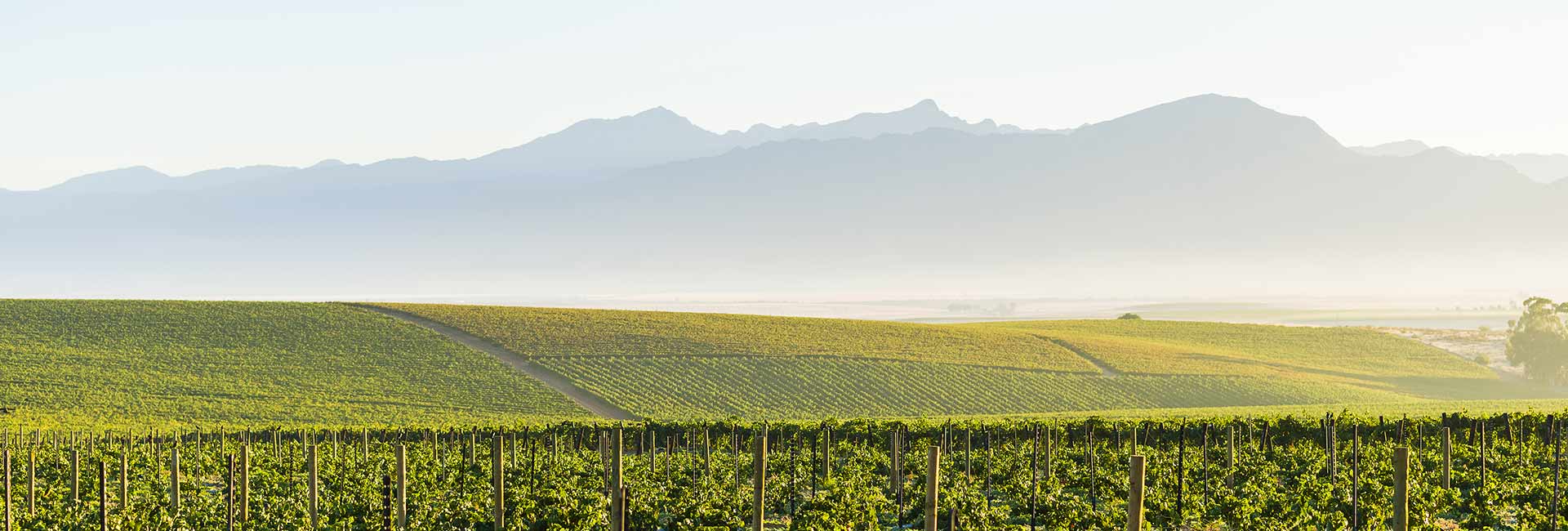
- Vineyard landscapes framed by mountain ranges
- Tasting rooms offering local Koshu and Muscat Bailey A wines
Katsunuma represents the geographic and cultural core of wine in Yamanashi.
Grape Varieties of the Yamanashi Wine Region
The region is best known for the Koshu grape, Japan’s native white variety. Koshu wines are typically delicate, fresh, and food-friendly, with subtle citrus and mineral characteristics.
In addition to Koshu, wineries in Yamanashi cultivate:
- Muscat Bailey A
- Merlot
- Cabernet Sauvignon
- Chardonnay
- Petit Verdot
- Kai Noir
- Black Queen
- Delaware
- Yama Sauvignon
This diversity contributes to the growing global recognition of the Japanese wine region.
Why Visit the Yamanashi Wine Region?
Beyond the wines themselves, the region offers:
- Scenic vineyard walks
- Historic temples such as Daizenji
- Farm-to-table cuisine using local produce
- Seasonal landscapes from spring blossoms to autumn harvest
The combination of wine, landscape, and cultural depth makes the Yamanashi wine region distinct within Asia’s growing wine industry.
For visitors planning a structured experience from Tokyo, curated private options are available:
- Explore private winery tours from Tokyo
- Learn about day trips from Tokyo to Yamanashi
- View full tour overview
Understanding the Region with Local Insight
While some wineries operate public tasting rooms, many smaller producers require prior arrangements and Japanese-language coordination. Exploring the Yamanashi wine region with local guidance allows visitors to better understand winery relationships, seasonal conditions, and transportation logistics.
This deeper context transforms a simple Japanese wine tasting into a fun and informative regional experience.
Frequently Asked Questions
The Yamanashi wine region is located west of Tokyo in central Japan. It is accessible in approximately 90 minutes by limited express train and centers around the Koshu Valley and Katsunuma areas.
Yamanashi produces the largest share of domestic wine in Japan and has led the country’s modern winemaking development for over a century. The concentration of established wineries, native Koshu grape cultivation, and deep regional history make it the reference point for Japanese wine.
Wineries in the Yamanashi wine region welcome visitors, but access varies. Some operate tasting rooms with limited hours, while others require advance coordination and Japanese-language communication. Because smaller producers are not always set up for spontaneous visits, many travelers prefer exploring the region with a local bilingual English speaking guide who manages scheduling and more intimate winery tastings.
Yes, the Yamanashi wine region is commonly visited as a day trip from Tokyo via limited express train. For travelers seeking a relaxed and well-paced experience, guided arrangements help maximize time in the vineyards while avoiding transportation and coordination challenges.
Understanding the Yamanashi wine region involves more than tasting wine. Conversations with winemakers, access to smaller estates, and smooth coordination between wineries all benefit from local relationships and bilingual English speaking support. A guided experience ensures visitors can focus on the wine and landscape rather than logistics.