




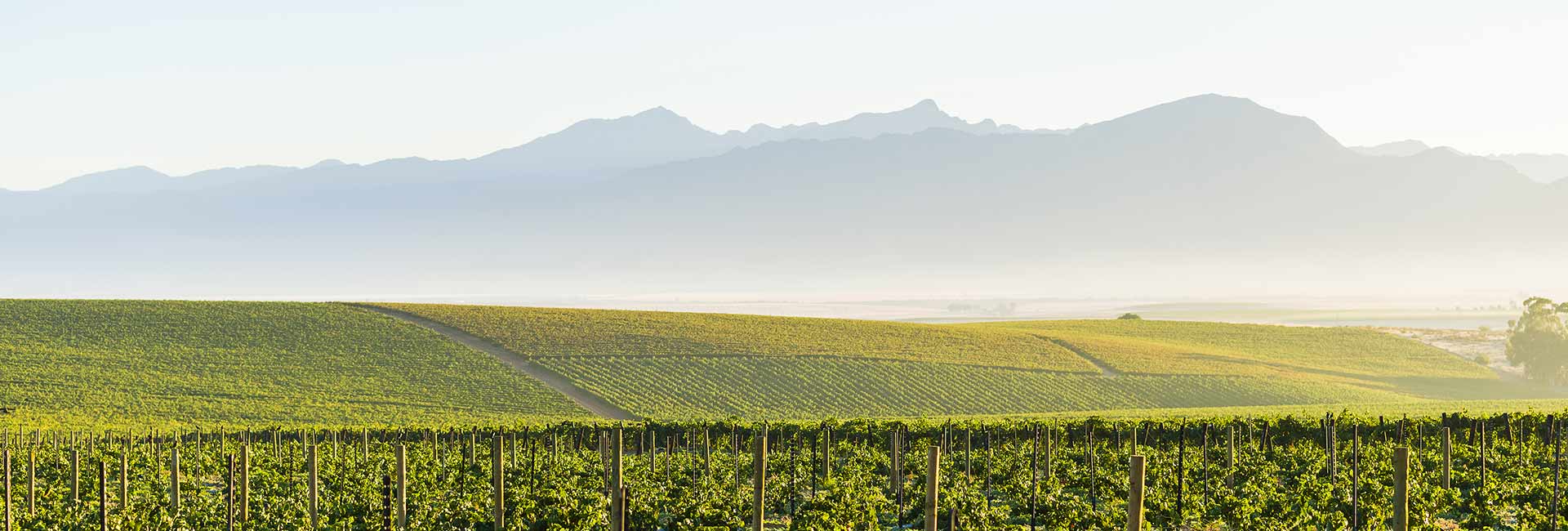
Where to Taste Japanese Wine in Japan: Why Yamanashi Leads the Experience
If you are wondering where to taste Japanese wine in Japan, the answer goes beyond city wine bars and imported bottle selections. While Japanese wine is increasingly available in Tokyo and abroad, the most meaningful way to experience it is in Yamanashi’s Koshu Valley — the heart of Japan’s winemaking tradition. Located just 90 minutes from central Tokyo, this region offers vineyard landscapes, historic wineries, and guided tastings that reveal why Yamanashi is considered the birthplace of modern Japanese wine.
If you are seriously considering where to taste Japanese wine in Japan, understanding the difference between city tastings and vineyard experiences is essential.
Understanding where to taste Japanese wine in Japan depends on what kind of experience you are seeking: convenience, depth, authenticity, or immersion. For travelers who want more than a single glass poured across a counter, Yamanashi stands apart.
Japanese Wine in the City: An Introduction, Not the Full Story
Tokyo offers a growing number of wine bars and restaurants featuring Japanese bottles. You may find Koshu whites, Muscat Bailey A reds, and even Japanese sparkling wines listed alongside European and New World selections.
For visitors short on time, tasting Japanese wine in Tokyo provides an accessible introduction. However, these experiences are curated for urban dining — not for understanding vineyards, terroir, and production methods in context.
City tastings answer the question, “What does Japanese wine taste like?”
They do not fully answer, “Where does it come from and why?”
To understand that fully, you must leave the city and step into the vineyards themselves.
The Koshu Valley: Japan’s Most Important Wine Region
When discussing where to taste Japanese wine in Japan, the conversation inevitably leads to the Koshu Valley in Yamanashi Prefecture. This region has been the epicenter of Japanese winemaking for well over a century.
Modern Japanese wine production began here in the late 19th century, when local growers began experimenting with Western winemaking techniques while cultivating native grape varieties. Over time, the region evolved from small-scale agricultural production into Japan’s most established and respected wine area.
The Koshu grape itself has been cultivated in Yamanashi for hundreds of years. Although its precise origins remain debated, it became closely associated with the region’s climate and soil. In the modern era, Koshu was refined into a delicate, mineral-driven white wine style that pairs naturally with Japanese cuisine.
Throughout the 20th century, Yamanashi’s wineries grew in both number and technical sophistication. Families passed down winemaking knowledge through generations, while newer producers introduced stainless steel fermentation, temperature control, and international vineyard practices.
Today, the Koshu Valley remains Japan’s largest wine-producing region. The concentration of wineries in Katsunuma and surrounding towns creates a rare environment in Japan: a true wine country landscape defined by vineyards rather than urban density.
Unlike emerging wine regions that are still developing infrastructure, Yamanashi offers:
- Established vineyard acreage
- Multi-generational winery estates
- Dedicated tasting facilities
- A defined wine identity rooted in Koshu and Muscat Bailey A
This depth of history and continuity is what makes the Koshu Valley the most authoritative answer to the question of where to taste Japanese wine in Japan.
To explore curated wine experiences in this region, you can visit the Winery Tours Japan homepage here:
Why Yamanashi Offers the Most Authentic Japanese Wine Tasting
Authenticity matters when choosing where to taste Japanese wine in Japan.
In Yamanashi, wine tasting often includes:
- Visits to multiple producers in one day
- Insight into vineyard practices and harvest timing
- Discussion of fermentation and aging techniques
- Context around Japan’s evolving wine standards
- Direct comparison between vintages
Rather than sampling a single bottle in isolation, guests experience the rhythm of the region.
You see the vines.
You walk the winery grounds.
You understand the landscape that shapes the wine.
This layered exposure transforms tasting into education and immersion.
A Scenic Journey from Tokyo
One of the reasons Yamanashi leads the Japanese wine tasting experience is accessibility. From Shinjuku Station, Limited Express trains reach the Koshu Valley in approximately 90 minutes.
The journey transitions quickly from Tokyo’s dense skyline to open countryside and vineyard plains. This ease of access makes Yamanashi one of Japan’s most rewarding and practical countryside escapes.
If you are planning a day trip, detailed guidance on visiting from Tokyo can be found here:
The simplicity of the route allows travelers to focus entirely on the experience rather than complicated logistics.
The Difference Between Drinking Wine and Experiencing Wine
When searching where to taste Japanese wine in Japan, it helps to distinguish between:
Drinking Japanese wine
Experiencing Japanese wine
Drinking focuses on flavor.
Experiencing includes place, people, and process.
In Yamanashi, tastings are often accompanied by storytelling — how Koshu grapes evolved, how Western winemaking techniques were adapted to Japanese conditions, and how producers balance tradition with innovation.
Understanding these elements adds depth that cannot be captured in a city tasting room alone.
From Curiosity to Understanding
Many international visitors begin with simple curiosity:
Is Japanese wine good?
How does it compare to European styles?
What makes Koshu unique?
Yamanashi answers these questions directly.
Visitors often discover:
- Japanese red wines are lighter and more food-friendly
- Koshu whites pair exceptionally well with seafood
- Japanese winemaking emphasizes balance and elegance
- Vineyard practices reflect meticulous craftsmanship
By tasting across several wineries in the region, guests gain perspective rather than isolated impressions.
A Region Recognized Beyond Japan
Japanese wine — particularly from Yamanashi — has gained increasing international recognition in recent years. Koshu wines appear on wine lists abroad, and producers continue to refine quality and technique.
Experiencing this evolution firsthand in the Koshu Valley allows visitors to see why Japan’s wine reputation is expanding globally.
The region represents both heritage and forward momentum.
Who Should Visit Yamanashi for Wine Tasting?
Yamanashi is ideal for:
- Travelers seeking a refined countryside escape
- Food and wine enthusiasts exploring emerging regions
- Couples looking for a relaxed vineyard experience
- Visitors staying near Mount Fuji or Kawaguchiko
- Guests curious about Japanese craftsmanship and agriculture
Because the region is compact yet diverse, it offers depth without overwhelming scale.
How a Guided Experience Enhances the Visit
While independent visits are possible, many travelers prefer structured guidance to fully understand the region.
A guided wine experience can assist with:
- Coordinating winery appointments
- Explaining production techniques in English
- Structuring a balanced tasting schedule
- Maintaining a relaxed pace throughout the day
Frequently asked logistical questions about visiting the Koshu Valley can be found here:
Clear preparation helps ensure the day unfolds smoothly.
Why Yamanashi Continues to Lead
Other regions in Japan produce wine — including Nagano, Hokkaido, and Yamagata — yet Yamanashi remains the historic and symbolic center of Japanese winemaking.
It combines:
- Production scale
- Diversity of wineries
- Accessibility from Tokyo
- Deep cultural roots
- International recognition
For anyone seriously asking where to taste Japanese wine in Japan, the Koshu Valley offers the most comprehensive and immersive answer.
Frequently Asked Questions
Yamanashi is widely regarded as Japan’s most important wine region due to its concentration of wineries, historic vineyard culture, and leadership in producing Koshu wine. While Japanese wine can be found in cities across the country, the Koshu Valley offers the most complete and immersive tasting experience.
Yes. Tastings in the Koshu Valley are welcoming and educational, making the region suitable for both experienced wine enthusiasts and first-time visitors. With thoughtful guidance and clear explanations of grape varieties, production methods, and regional styles, even beginners quickly gain confidence. When accompanied by a local bilingual English-speaking guide, your day of tasting becomes easier to navigate and more informative, allowing you to fully understand what makes Japanese wine unique.
Yamanashi is best known for Koshu white wines and Muscat Bailey A red wines, which define the region’s identity. However, the diversity extends further. Many wineries also produce Chardonnay, Merlot, Cabernet Sauvignon, Petit Verdot, and the locally developed varieties Kai Noir, and Black Queen. Delaware grapes are used for approachable everyday wines, while experimental plantings such as Yama Sauvignon, and Harmo Noir reflect the region’s ongoing innovation. Sparkling wines are also increasing in quality and popularity, particularly those made from Koshu and Chardonnay.
The Koshu Valley is approximately 90 minutes from central Tokyo by Limited Express train, making it one of the easiest countryside wine regions to access from the capital.
The fastest and most scenic way to reach the Koshu Valley is by Limited Express train from Shinjuku Station in Tokyo. The journey takes approximately 90 minutes and offers views that transition from urban Tokyo to open countryside and vineyard landscapes.
Traveling by train allows visitors to relax, avoid traffic congestion, and fully enjoy wine tastings without worrying about driving. For most international travelers, the express train provides the smoothest and most comfortable access to Yamanashi’s wine region.
Conclusion
Where to taste Japanese wine in Japan ultimately depends on how deeply you want to engage with the country’s wine culture.
Tokyo offers convenience.
Yamanashi offers immersion.
In the Koshu Valley, wine tasting becomes more than sampling bottles. It becomes a journey through vineyards, heritage, craftsmanship, and regional identity — all within easy reach of the capital.
For travelers still asking where to taste Japanese wine in Japan, Yamanashi remains the country’s most complete and historic answer.
To explore Yamanashi’s wine experiences and discover the region firsthand, visit us here: