




Japanese Wine in the U.S.: Why Interest Is Rapidly Growing
Japanese wine in the U.S. has moved from curiosity to serious conversation over the past decade. While Japan has long been associated with sake, American consumers are increasingly discovering the country’s wine industry—particularly wines from the Yamanashi wine region.
Driven by growing interest in food-friendly wines, sustainable production, and new terroir-driven regions, Japanese wines in America are earning shelf space in restaurants, wine bars, and specialty retailers.
At the center of this rise is Yamanashi Prefecture, widely regarded as Japan’s premier wine-producing region.
The Yamanashi Wine Region: Japan’s Production Leader
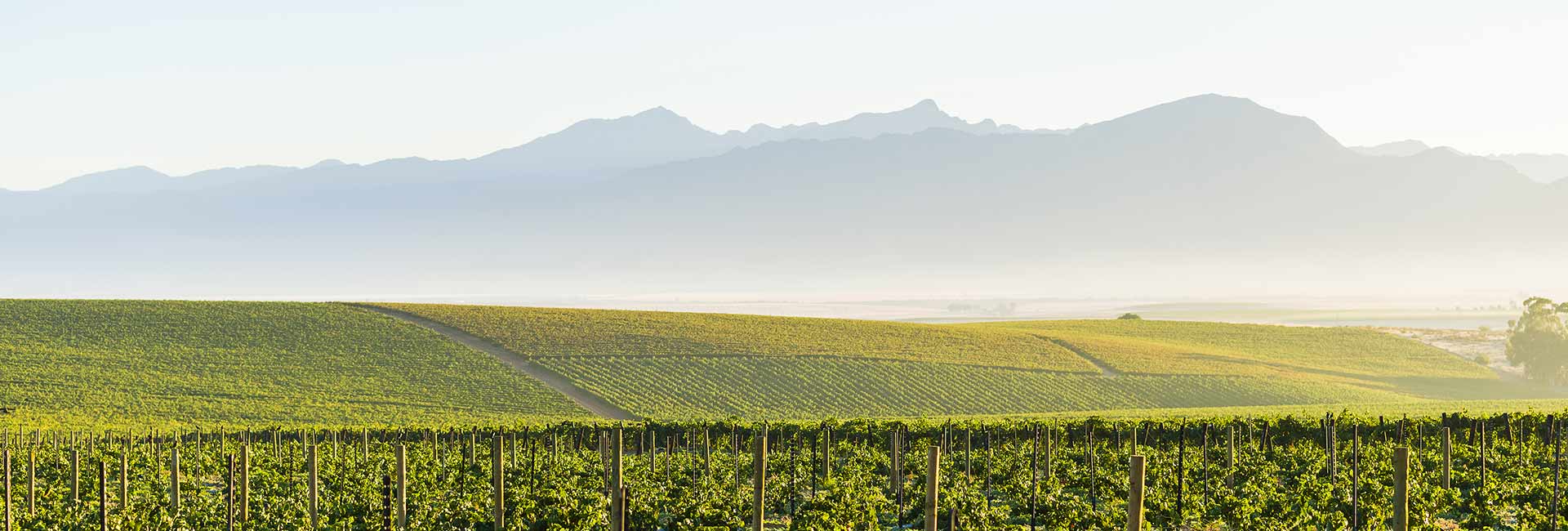
The Yamanashi wine region, located west of Tokyo and home to the historic Koshu Valley, accounts for the largest share of domestic wine production in Japan. Surrounded by mountains and benefiting from long sunshine hours, the region offers ideal grape-growing conditions.
Over more than a century, Yamanashi has developed:
- Established winery estates
- Boutique producers with modern techniques
- Native Koshu grape cultivation
- A growing portfolio of red and sparkling wines
For American wine drinkers exploring Japanese wine in the U.S., most bottles originate from this region.
Koshu Wine: Japan’s Signature Grape
Koshu is Japan’s most recognized indigenous grape variety. Though cultivated for centuries, it has evolved into a refined white wine style that aligns well with modern dining trends.
Koshu wines are typically:
- Light-bodied
- Crisp and dry
- Subtly aromatic
- Balanced in acidity
These characteristics make Koshu especially compatible with sushi, seafood, vegetable-forward dishes, and contemporary American cuisine focused on freshness and restraint.
As sommeliers introduce Koshu to U.S. restaurant lists, it is increasingly positioned as an alternative to Pinot Grigio or Sauvignon Blanc—offering similar freshness with distinctive Japanese character.
Beyond Koshu: Expanding Styles from Yamanashi
While Koshu remains the flagship grape, the Yamanashi wine region produces a diverse range of varieties.
White wines include:
- Koshu
- Chardonnay
- Delaware
- Niagara
- Semillon
Red wines include:
- Muscat Bailey A
- Merlot
- Cabernet Sauvignon
- Black Queen
- Kai Noir
- Cabernet Franc
Muscat Bailey A in particular has attracted attention in the U.S. for its lighter body and food-friendly structure, appealing to consumers seeking lower-alcohol red wines.
This stylistic diversity strengthens the global appeal of Japanese wine in the U.S.
Why American Interest Is Growing
Several trends are contributing to the rise of Japanese wines in America:
1. Demand for Food-Friendly Wines
Modern American dining increasingly favors balanced, moderate-alcohol wines that complement cuisine rather than dominate it. Japanese wines naturally align with this preference.
2. Curiosity for Emerging Regions
Wine consumers in the U.S. continue exploring lesser-known regions beyond Europe and California. Japan represents a distinctive and culturally rich alternative.
3. Sustainability and Precision
Many wineries in the Yamanashi wine region emphasize small-scale production, careful vineyard management, and minimal intervention techniques—appealing to quality-driven buyers.
4. Increased Exposure
As Japanese restaurants expand across the U.S., wine pairings beyond sake are becoming more common. This visibility introduces Koshu and other Japanese varieties to broader audiences.
Experiencing the Source: Visiting the Yamanashi Wine Region
While Japanese wine in the U.S. can now be found in select markets, understanding its full context requires experiencing the region itself.
The Yamanashi wine region offers:
- Concentrated winery geography in the Koshu Valley
- Historic estates and boutique producers
- Vineyard landscapes framed by mountains
- Deep cultural connections to winemaking
For travelers visiting Japan, structured private experiences allow deeper insight into the producers and techniques behind the wines gaining recognition overseas.
You can explore:
Day trips to the Yamanashi wine region
The Global Outlook for Japanese Wine
Japanese wine in the U.S. remains a niche category—but it is a growing one. As distribution networks expand and awareness increases, wines from the Yamanashi wine region are likely to become more visible in specialty retail and fine dining.
Rather than competing on scale, Japanese wines compete on identity—precision, subtlety, and cultural depth.
This positioning continues to attract American consumers seeking wines with distinctive regional character.
Frequently Asked Questions
Availability is growing but remains limited compared to major global regions. Japanese wine in the U.S. is most commonly found in specialty wine shops and Japanese restaurants.
Koshu’s light body, crisp acidity, and subtle aromatics make it highly food-friendly, aligning well with contemporary American dining preferences.
The majority of domestic wine production comes from the Yamanashi wine region, particularly the Koshu Valley area.
Experiencing the Yamanashi wine region provides direct access to vineyards, winemakers, and production methods that cannot be fully understood through export bottles alone.
Some wineries offer limited English support, but smaller producers often require advance coordination. Many visitors choose to explore the region with a bilingual guide to navigate scheduling and winery relationships smoothly.