




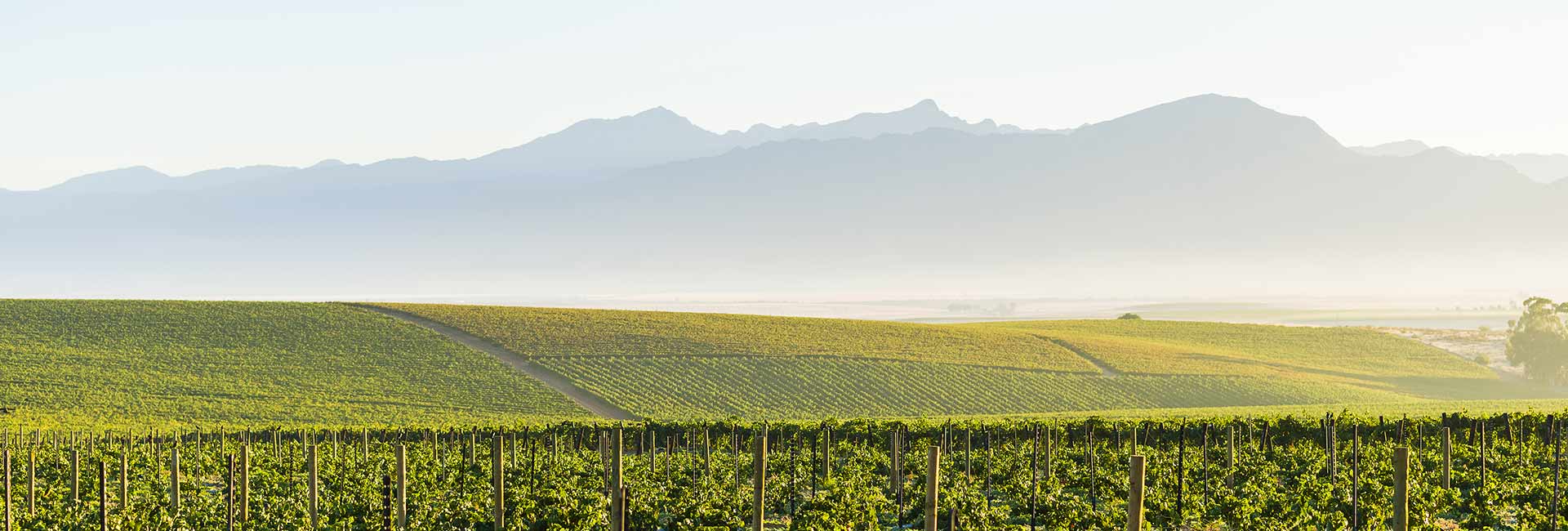
This Koshu wine guide is for travelers and wine lovers who want to understand Koshu wine, explore Yamanashi wine, and learn more about the Japanese wine grapes and styles that define Japan’s most important wine region.
Koshu is the best-known white grape in Yamanashi and one of the clearest symbols of Japanese wine. But the region is not only about one grape. Yamanashi wine also includes distinctive Japanese reds, boutique blends, sparkling styles, and a wider mix of grapes that make the Koshu Valley especially rewarding for visitors who want more than a single tasting-room stop.
If you are planning a wine tasting in Yamanashi, this page will help you understand what Koshu tastes like, which styles to look for, what other grapes matter in the region, and why Yamanashi has become the most important destination for discovering Japanese wine.
Quick takeaway: Koshu wine is a refined Japanese white wine made from the Koshu grape in Yamanashi Prefecture. It is crisp, clean, elegant, and highly food-friendly. But a proper Yamanashi wine experience also includes a wider regional story of red and white wines, established wineries, family-owned boutique producers, and a variety of styles that give the region its depth.
Koshu Grape – The Heart of Yamanashi Wine Culture
The Koshu grape is Japan’s most iconic white wine variety and the foundation of Yamanashi wine culture. It belongs to the Vitis vinifera family, the same broad species used for many classic European wines, and it has been cultivated in Japan for centuries.
Today, the best-known Koshu vineyards are found in Yamanashi Prefecture, where climate, elevation, and careful winemaking help produce light, clean, mineral-driven styles of Koshu wine. The combination of mountain scenery, varied soils, and regional experience has made the Koshu Valley the most important destination for wine tasting in Yamanashi.
Many visitors are surprised that Koshu has pale pink skins, yet produces a clear and elegant white wine. A high-quality Koshu often shows:
- subtle citrus
- white peach
- gentle floral notes
- minerality
- refreshing acidity
Because the grape is naturally delicate, it highlights craftsmanship. That is one reason Yamanashi wine is often described as refined, precise, and well suited to Japanese food culture.
Koshu Valley Wine: Katsunuma and Enzan in Yamanashi Prefecture
If you search for Japanese wine country, Yamanashi usually stands at the center of the conversation. The Koshu Valley, especially Katsunuma and Enzan, contains one of the highest concentrations of wineries in Japan and remains the heart of the region’s wine identity.
These areas are central to the story of Yamanashi wine:
Katsunuma is known for historic producers, established wineries, and boutique specialists focused on Koshu and other regional wines.
Enzan offers a mix of family-owned wineries, vineyards, and classic countryside scenery that helps visitors understand the local character of the region.
Together, Katsunuma and Enzan represent the heart of Koshu Valley wine and one of the best places in Japan to explore Japanese wine at the source.
Because many wineries are relatively close together, visitors can discover a broad range of Yamanashi wine styles in one day, including sparkling Koshu, barrel-aged Koshu, Japanese reds, boutique blends, and winery-specific expressions that reflect different philosophies and approaches.
What Does Koshu Wine Taste Like?
Koshu is best known for elegance rather than intensity. Compared with more heavily aromatic or richer white wines, Koshu usually feels restrained, balanced, and exceptionally food-friendly.
Common tasting notes include:
- light to medium-light body
- crisp, refreshing acidity
- citrus peel or yuzu-like brightness
- white peach and pear
- a clean mineral finish
This is one reason Koshu is so appealing to travelers interested in Japanese wine. It complements food rather than overpowering it, and it gives drinkers a style that feels distinctly connected to Japanese taste and dining culture.
For readers who want a narrower educational comparison, our supporting article on Koshu wine in Japan goes deeper into the grape itself.
Koshu Wine Styles You Can Taste in Yamanashi
Koshu is not limited to one expression. Depending on the producer, vineyard, and winemaking style, it can appear in several different forms.
During wine tasting in Yamanashi, visitors commonly encounter:
- dry Koshu with a fresh, crisp profile
- sparkling Koshu with lively acidity and a refreshing feel
- barrel-aged Koshu with more texture and depth
- boutique Koshu blends with a more creative interpretation
- seasonal or limited releases that reflect a winery’s individual style
Yamanashi is best known for elegant Koshu whites, but the region can also surprise visitors with more experimental expressions. Depending on the wineries visited in the Koshu Valley, guests may also taste distinctive Japanese reds, rare boutique blends, and other wines that place Koshu in a broader regional context.
Japanese Wine Grapes Grown in Yamanashi Wine Country
Many people first come to Yamanashi for Koshu, but part of the region’s appeal is that it offers more than one grape. Understanding the broader mix helps visitors appreciate why Yamanashi wine feels so diverse.
Important grapes and varieties associated with the region include:
- Koshu, Japan’s signature white grape
- Muscat Bailey A, Japan’s best-known red hybrid
- Delaware, often used for lighter and fruitier styles
In the Koshu Valley, including Katsunuma and Enzan, wineries may also grow international varieties such as:
- Chardonnay
- Semillon
- Merlot
- Cabernet Sauvignon
This balance of tradition and experimentation is part of what makes Yamanashi wine so compelling. The region is one of the best places in Japan to explore both classic Koshu and the wider range of grapes that shape Japanese wine today.
For readers interested in the red side of the region, our Japanese red wine guide adds helpful context.
Koshu Wine Food Pairing Ideas
One of the biggest reasons people love Koshu is its versatility at the table. Its clean, mineral style makes it one of the most food-friendly wines in Japan.
Excellent pairings include:
- sushi and sashimi
- tempura
- grilled fish
- seasonal vegetables
- tofu dishes
- light broth-based dishes
Because Koshu is not heavy, it often feels more natural with Japanese cuisine than richer international white wines. That is one reason it is often considered one of the most distinctly Japanese expressions of wine.
It can also pair beautifully with lighter Western dishes such as oysters, scallops, salads, and delicate chicken dishes, but it is with Japanese food that Koshu often feels most complete.
Why Yamanashi Offers a Fuller Japanese Wine Experience
Reading about wine is useful, but tasting it in the region gives a much deeper understanding of why it matters. The best way to experience Koshu wine, explore Japanese wine grapes, and understand Yamanashi wine culture is to visit wineries directly in the Koshu Valley.
A thoughtful winery day can make a real difference. Rather than stopping at only one tasting room, visiting several wineries in Katsunuma and Enzan helps guests compare styles side by side and understand how different producers interpret both Koshu and other regional wines.
That is also where the value becomes clearer. A well-planned day in Yamanashi is not only about tasting wine. It is about experiencing the region, seeing the vineyards, understanding the local winemaking culture, and discovering why Japanese wine feels different when tasted at the source.
Easy from Tokyo and Also a Natural Extension from Kawaguchiko
Yamanashi is one of the easiest wine regions in Japan to visit. For many travelers, it works very well as a Tokyo day trip by limited express train, which makes the region especially appealing for visitors who want a countryside wine experience without complicated logistics.
It can also be a natural extension from Kawaguchiko. Travelers already exploring the Mt. Fuji area can add a more regional wine experience to their itinerary and discover another side of Yamanashi beyond the usual sightseeing route.
That easy access is one reason the region offers such strong value. Visitors can experience vineyards, wineries, Japanese wine grapes, and a wide range of styles in a setting that feels relaxed, scenic, and surprisingly accessible.
Experience Yamanashi Wine More Deeply
If you want a deeper experience beyond a single winery stop, a private Yamanashi wine tour can help you visit multiple wineries in Katsunuma and Enzan, compare styles side by side, and understand the story behind each producer in a more relaxed and efficient way.
You can explore more through Winery Tours Japan, read practical details on the Winery Tours Japan FAQ, or contact Winery Tours Japan for more information.
Frequently Asked Questions
Is Koshu Valley worth visiting?
Yes. The Koshu Valley is Japan’s best-known wine destination and offers a strong mix of boutique wineries, historic producers, vineyard scenery, and a wide variety of Koshu wine styles. It is one of the most rewarding places in Japan for travelers who want to understand local wine culture at the source. Because many wineries are relatively close together, it also works well for a relaxed and efficient day of tasting.
Is Yamanashi the best wine region in Japan?
Yamanashi is widely considered Japan’s premier wine region because it combines deep wine history, a high concentration of wineries, and the strongest association with Koshu wine. It also offers a broader range of red and white wine styles than many visitors expect. For most travelers, it is the most natural place to begin exploring Japanese wine.
What are the main Japanese wine grapes grown in Yamanashi?
The most important grape in the region is Koshu, Japan’s signature white grape. Muscat Bailey A is also important as Japan’s best-known red hybrid, and Delaware still appears in lighter and fruitier styles. In addition, many wineries in Yamanashi grow international varieties such as Chardonnay, Semillon, Merlot, and Cabernet Sauvignon.
What is Koshu wine?
Koshu wine is Japan’s signature white wine made from the Koshu grape, most closely associated with Yamanashi Prefecture. It is generally known for elegance, subtle citrus, refreshing acidity, and a clean mineral finish. More than just a single wine, it also acts as an entry point into the wider culture of Japanese wine in Yamanashi.
Where is the Koshu grape grown?
The Koshu grape is primarily grown in Yamanashi Prefecture, especially in the Koshu Valley around Katsunuma, Enzan, Makioka, and Fuefuki. These areas are central to the grape’s modern identity and to the region’s wider wine culture. Tasting Koshu in Yamanashi gives visitors a much better sense of its regional character than tasting it in isolation elsewhere.
What does Koshu wine taste like?
Koshu wine is usually crisp, light-bodied, and refreshing, with notes of citrus, white peach, gentle florals, and minerality. Most examples are dry or close to dry and are known for their clean, elegant finish. It is a subtle wine, but that restraint is part of what makes it so distinctive and so easy to enjoy with food.
Is Koshu wine sweet or dry?
Most Koshu wine is dry, crisp, and refreshing, although some producers may make slightly softer or rounder styles. In general, Koshu is best known as a refined, food-friendly Japanese white wine rather than a sweet one. Its freshness and balance are a big part of why it works so naturally with Japanese cuisine.
Which wineries are best for tasting Koshu wine in Yamanashi?
The Koshu Valley has many excellent producers in Katsunuma and Enzan, ranging from historic wineries to small family-owned estates. The best winery choices depend on the styles you want to taste, your pace, and how much variety you want in a single day. Visiting a mix of established and boutique wineries usually gives a fuller understanding of the region.
Can you taste sparkling Koshu wine in the Koshu Valley?
Yes. Some wineries in Yamanashi produce sparkling Koshu alongside still dry Koshu, barrel-aged styles, and limited seasonal releases. Depending on the producer, you may encounter different sparkling approaches and different expressions of acidity, texture, and finish. This variety is one reason Yamanashi feels more interesting than a single-style tasting destination.
When is the best season to visit the Koshu Valley for wine tasting?
The Koshu Valley is enjoyable year-round. Many travelers prefer spring and autumn for comfortable weather, vineyard scenery, and seasonal beauty, but winery tastings are available across the seasons. The best time depends on whether you prioritize blossoms, green vineyards, harvest atmosphere, or a quieter countryside pace.
Is Koshu wine only made in Yamanashi?
Yamanashi is the main home of Koshu wine, and most of the most famous expressions come from the Koshu Valley area. Some smaller quantities may be grown or produced elsewhere, but Yamanashi remains the center of Koshu wine culture. That central role is one reason the region carries so much authority in Japanese wine.
What’s the best way to experience Koshu wine in Yamanashi?
The best way is to visit the Koshu Valley on an easy Tokyo day trip or as a natural extension from Kawaguchiko and taste several different expressions of Koshu in Katsunuma and Enzan. A private guided experience can make that easier by helping visitors compare styles, understand the region, and enjoy the day at a relaxed pace. That kind of structure often gives travelers much better value than trying to piece everything together on their own.
Frequently Asked Questions (Koshu Wine & Japanese Wine Grapes)
Yes. The Koshu Valley is Japan’s best-known wine destination and offers a strong mix of boutique wineries, historic producers, vineyard scenery, and a wide variety of Koshu wine styles. It is one of the most rewarding places in Japan for travelers who want to understand local wine culture at the source. Because many wineries are relatively close together, it also works well for a relaxed and efficient day of tasting.
Yamanashi is widely considered the home of Japanese wine making and Japan’s premier wine region because it combines deep wine history, a high concentration of historic wineries, and the strongest association with Koshu wine. It also offers a broader range of red and white wine styles than many visitors expect. For most travelers, and an easy day trip from Tokyo or Kawaguchiko, it is the most natural place to begin exploring Japanese wine.
The most important grape in the region is Koshu, Japan’s signature white grape. Muscat Bailey A is also important as Japan’s best-known red hybrid, and Delaware still appears in lighter and fruitier styles. In addition, many wineries in Yamanashi grow international varieties such as Chardonnay, Semillon, Merlot, and Cabernet Sauvignon.
Koshu wine is Japan’s signature white wine made from the Koshu grape, most closely associated with Yamanashi Prefecture. It is generally known for elegance, subtle citrus, refreshing acidity, and a clean mineral finish. More than just a single wine, it also acts as an entry point into the wider culture of Japanese wine in Yamanashi.
The Koshu grape is primarily grown in Yamanashi Prefecture, especially in the Koshu Valley around Katsunuma, Enzan, Makioka, and Fuefuki. These areas are central to the grape’s modern identity and to the region’s wider wine culture. Tasting Koshu on a private customized tour in Yamanashi gives visitors a much better understanding of its regional character than tasting it in isolation elsewhere.
Koshu wine is usually crisp, light-bodied, and refreshing, with notes of citrus, white peach, gentle florals, and minerality. Most examples are dry or close to dry and are known for their clean, elegant finish. It is a subtle wine, but that restraint is part of what makes it so distinctive and so easy to enjoy with food.
Most Koshu wine is dry, crisp, and refreshing, although some producers may make slightly softer or rounder styles. In general, Koshu is best known as a refined, food-friendly Japanese white wine rather than a sweet one. Its freshness and balance are a big part of why it works so naturally with Japanese cuisine.
The Koshu Valley has many excellent producers in Katsunuma and Enzan, ranging from historic wineries to small family-owned estates. The best winery choices depend on the styles you want to taste, your pace, and how much variety you want in a single day. Visiting a mix of established and boutique wineries usually gives a fuller understanding of the region.
Yes. Some wineries in Yamanashi produce sparkling Koshu alongside still dry Koshu, barrel-aged styles, and limited seasonal releases. Depending on the producer, you may encounter different sparkling approaches and different expressions of acidity, texture, and finish. This variety is one reason Yamanashi feels more interesting than a single-style tasting destination.
The Koshu Valley is enjoyable year-round. Many travelers prefer spring and autumn for comfortable weather, vineyard scenery, and seasonal beauty, but winery tastings are available across the seasons. The best time depends on whether you prioritize blossoms, green vineyards, harvest atmosphere, or a quieter countryside pace.
Yamanashi is the main home of Koshu wine, and most of the most famous Koshu wines come from the Koshu Valley area. Some Koshu may be grown or produced in smaller quantities elsewhere, but Yamanashi remains the center of Koshu wine culture.Yamanashi is the main home of Koshu wine, and most of the most famous expressions come from the Koshu Valley area. Some smaller quantities may be grown or produced elsewhere, but Yamanashi remains the center of Koshu wine culture. That central role is one reason the region carries so much authority in Japanese wine.Yamanashi is the main home of Koshu wine, and most of the most famous Koshu wines come from the Koshu Valley area. Some Koshu may be grown or produced in smaller quantities elsewhere, but Yamanashi remains the center of Koshu wine culture.
The best way is to visit the Koshu Valley on an easy Tokyo day trip or as a natural extension from Kawaguchiko and taste several different expressions of Koshu in Katsunuma and Enzan. A private guided experience can make that easier by helping visitors compare styles, understand the region, and enjoy the day at a relaxed pace. That kind of structure often gives travelers much better value than trying to piece everything together on their own.